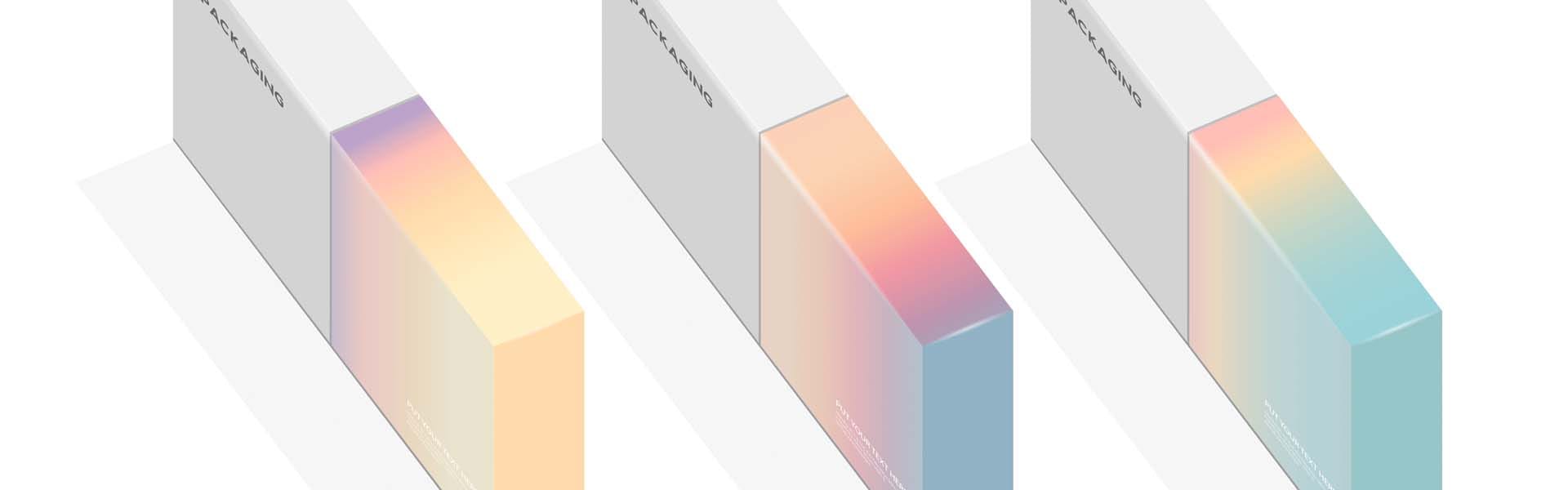
Product packaging is usually the first thing users see. It can be defined as the set of activities involved in preparing products for storage, distribution and sale. In other words, it is the packaging that accompanies and protects a product until it reaches the end user.
In addition, it increasingly influences the final purchase decision. When choosing between similar products, your business often selects one over another due to its packaging—either because of its design or the trust it conveys.
Therefore, when designing product packaging, your business should:
- Preserve and protect the product
- Meet customer expectations
- Differentiate and express your brand identity
- Create impact and emotional connection
- Generate experiences
Steps to design product packaging
Developing effective packaging is a complex, demanding and multidisciplinary process. It usually starts with a marketing decision: a thorough market analysis identifies the need to update or redesign the packaging of a specific product.
The reasons may include:
- Product modernisation
- Adaptation to new uses or consumption habits
- Repositioning towards a different audience
- Brand alignment
- Changes in capacity or dimensions
- Differentiation from competitors
- Reorientation of the commercial approach
Below is an overview of the main stages in the packaging development process:
1. Conceptualisation
The starting point is the client briefing, which defines objectives and target audiences. Key decisions are made regarding format, size, capacity, materials, colours, design, ergonomics, sustainability, labelling, protection and storage.
2. Design
Packaging designers develop innovative and functional solutions based on the briefing. Both visual and functional aspects influence purchase decisions. Elements such as colour, messaging, finishing, brand presence and composition are essential.
3. Prepress and prototyping
Once the design is defined, a prototype is created using the appropriate technologies. Tests are carried out to ensure quality and performance on the selected material.
4. Printing
Specialised professionals print or apply the design onto the selected substrate (paper, cardboard, textile, etc.). Working with qualified teams ensures consistent and reliable results.
5. Special finishes, die-cutting and print finishing
Processes such as lamination, embossing, varnishing and stamping enhance the final result. Die-cutting and creasing are also applied to facilitate final assembly, including folding and gluing.
Towards more sustainable packaging
Sustainability has become a key priority. In packaging, this means using materials and processes that minimise environmental impact. Sustainable packaging should be:
- Recyclable
- Biodegradable
- Made from recycled materials
- Reusable
As a result, materials such as cardboard and plant-based plastics (100% biodegradable and compostable) are increasingly used.
Looking for high-impact packaging?
At Artyplan, we have extensive experience in developing effective packaging. Our team provides expert guidance and advanced technical solutions. We design tailored packaging and can deliver 3D samples of the final result. Contact us to find the solution that best fits your business needs.