The concept of graphic arts refers to a set of trades, techniques, tasks and professions involved in the creation or editing of visual elements. Graphic arts include areas such as graphic design, press, different printing systems, binding and finishing.
What do graphic arts do?
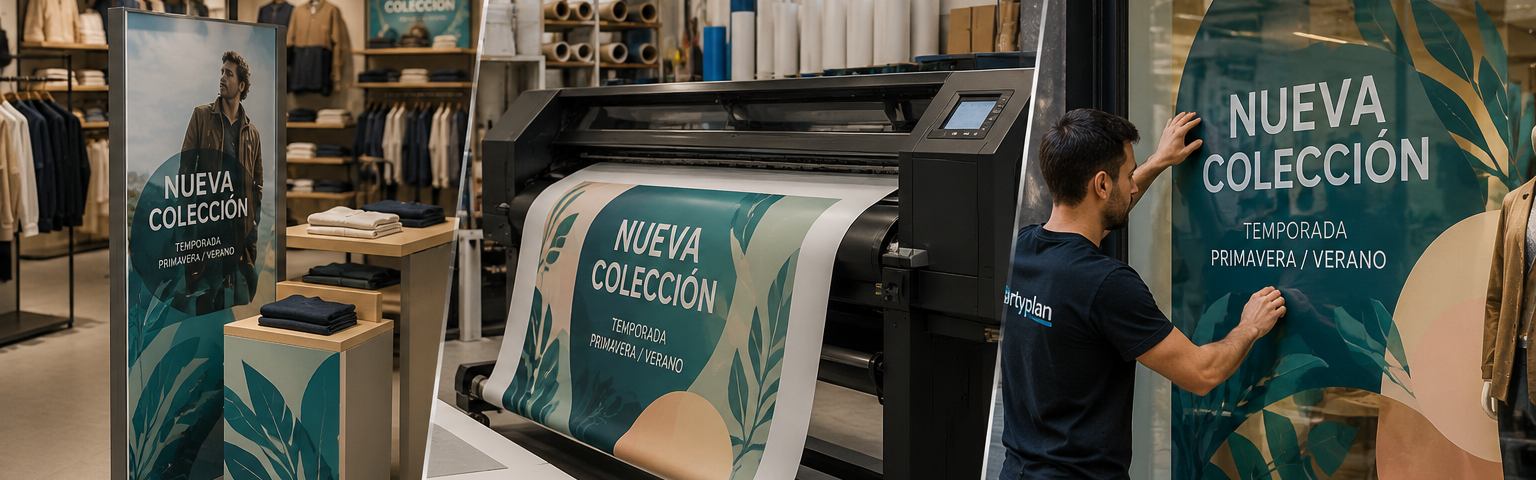
The concept of graphic arts mainly refers to the production of all types of visual elements from technical, graphic and artistic perspectives related to printing. Therefore, graphic arts include artistic processes aimed at creating and developing a design. To do this, a medium is used through which an artistic expression is transferred. Today, graphic arts are also used as an advertising communication medium to create posters, packaging, boxes, logos, among others.
Types of graphic arts
Like any discipline, graphic arts consist of different processes and techniques that allow the user to obtain the desired final result.
Below, we detail the types of processes and techniques used in graphic arts:
- Offset printing: Indirect printing process consisting of applying ink onto a metal plate. In offset printing, the file does not pass directly onto the paper/surface to be printed. It first passes through the plate to a rubber blanket and then onto the paper/surface.
- Flexography: High-speed indirect printing technique that uses a flexible relief plate to transfer the image directly onto the surface. This method is mainly used in the food and packaging industry, as it provides quality, speed and flexibility. It is also known as flexo printing.
- Letterpress printing: Indirect printing process based on the use of plates where the areas to be printed are raised and inked. The plates are pressed onto the paper to achieve printing.
- Rotogravure: Direct printing technique carried out using copper cylinders adapted to rotary machines, with engraved cells. This method is used for printing flexible packaging, such as gift wrap or snack packaging. It is also used in high-volume magazines and books.
- Screen printing: Indirect printing process consisting of transferring ink through a mesh stretched over a frame. The mesh is made of different types of material. This technique is used to print T-shirts, bags, wood, ceramics and other materials.
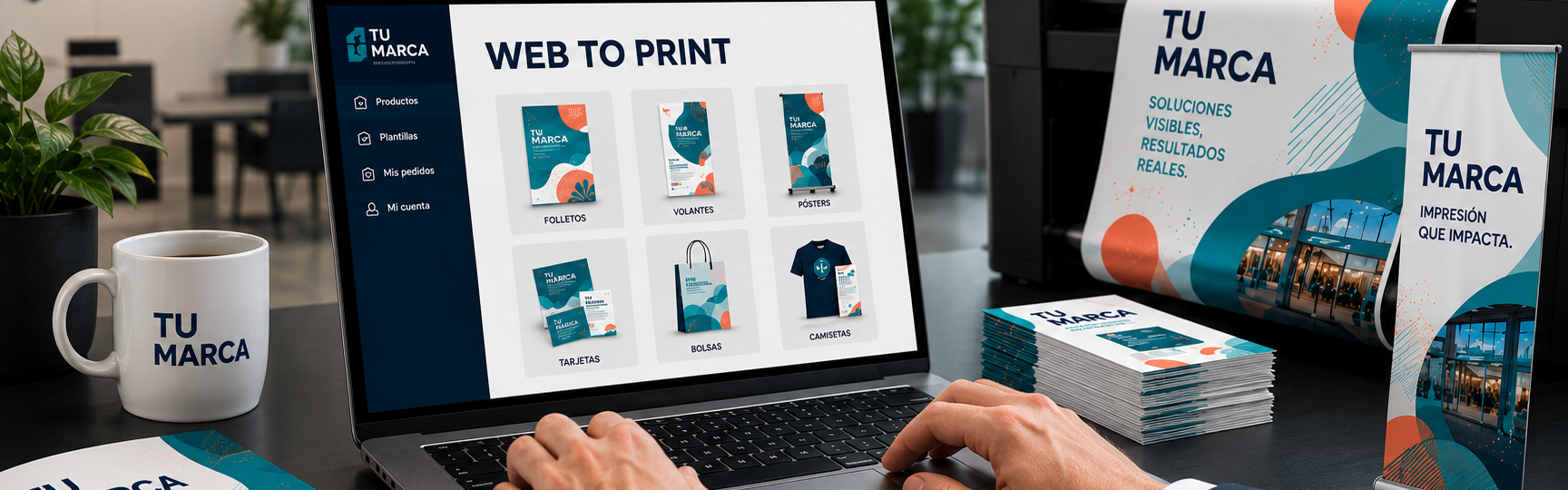
- Digital printing: Direct printing technique that consists of printing a digital file onto a physical surface, such as paper, fabric or plastic. The most common digital printing methods include inkjet printing and laser printing.
What do graphic arts include?
Whenever we talk about a graphic process, we must distinguish between two stages: the creative process and the industrial process. Both are equally important, although creativity has certain limits that must be understood to develop projects accordingly.
Prepress
Design is the first stage of the graphic arts process. It begins with creating the idea. The client provides a concept, and based on it, the designer and team develop the idea, taking into account production limitations.
Next, the design is defined. Once the idea is ready, it is presented to the client, adjusted if necessary and finally prepared. In our prepress article, we explain these stages and their importance in more detail.
Printing phase
Some printing techniques allow thousands of high-quality prints to be produced.
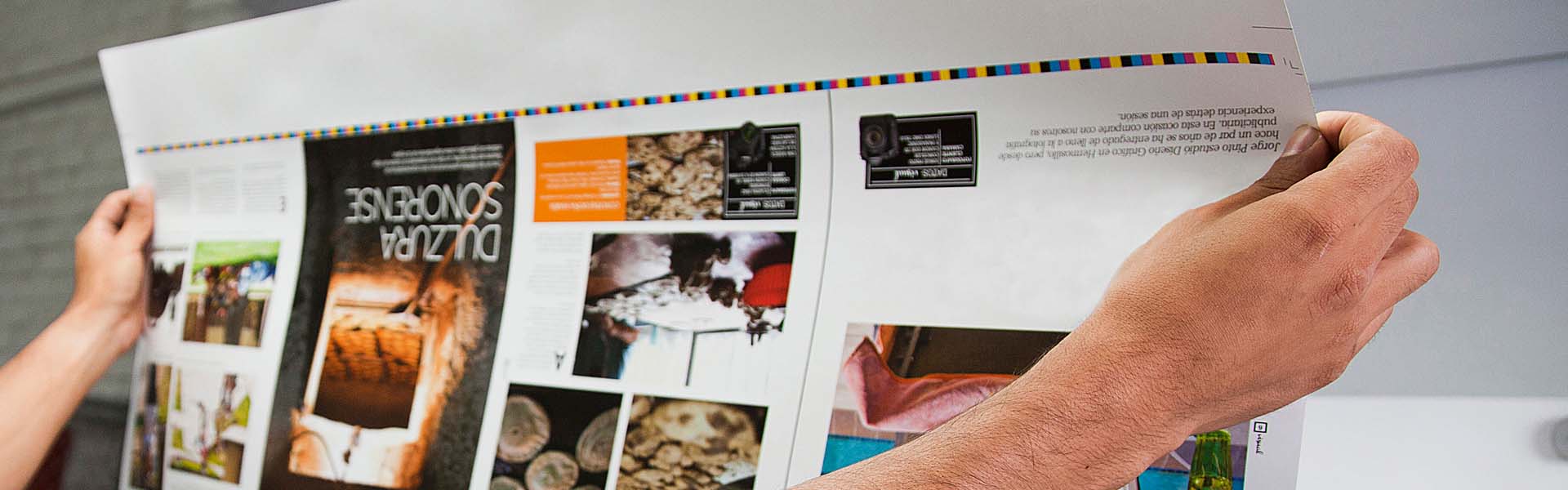
The printing stage in graphic arts includes all activities related to reproducing the original created during the prepress stage. At this stage, final print quality and machine setup adjustments are approved before production begins.
During this process, the substrate to be printed and the inks to be used are defined. Materials are also tested, print measurements are controlled and equipment is cleaned and maintained.
Postpress phase
This stage includes all activities that provide the final form to the printed product.
This may involve changing the surface, modifying its structure, applying protective treatments, binding or varnishing the product, among others.
In our postpress article, we detail the different tasks involved, as well as the main finishing processes.
Where are graphic arts used?
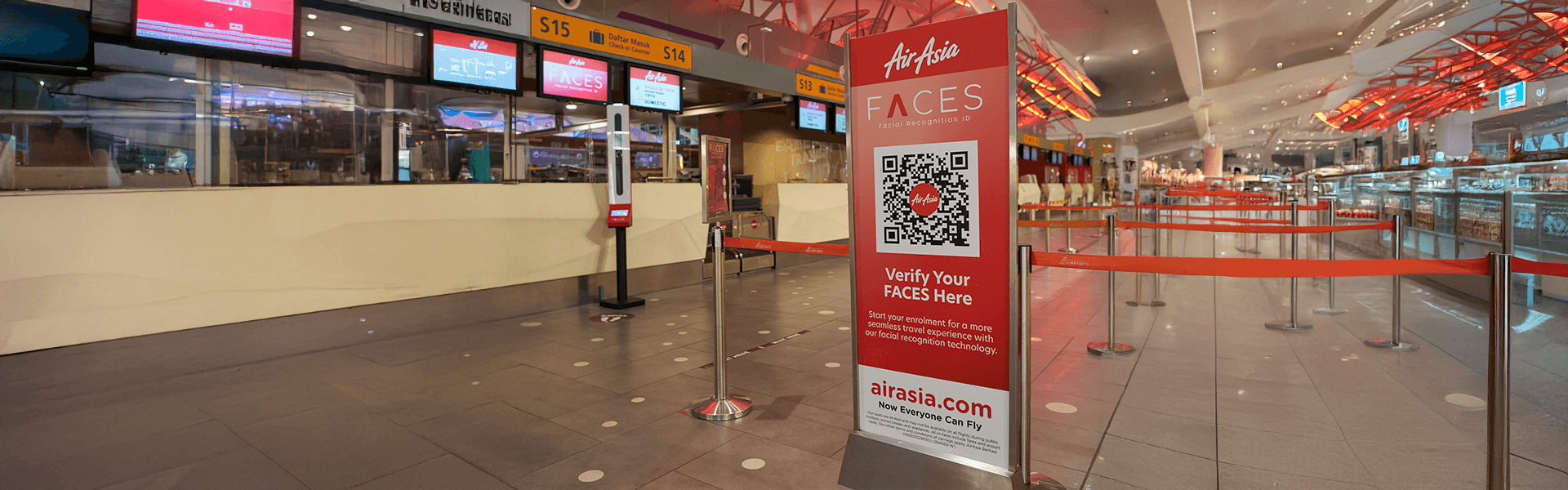
Today, graphic arts are the foundation of advertising communication. Thanks to printing, illustrations and photography, brands can use these creative expressions to promote their services.
Graphic arts are also a key element in the creation and development of popular culture. Their presence in our lives brings us closer to brands and artists, and therefore to both tangible and intangible assets.
Main applications
Graphic arts are directly related to advertising communication. In a globalised world full of information, they play a key role as a communication medium.
There are many formats in which these techniques can be applied. The most common are:
- Labels and stickers
- Packaging: boxes, containers, bottles…
- Labels
- Books and magazines
- Apparel
Artyplan, your graphic arts partner
At Artyplan, we have been experts in graphic arts for more than 50 years. We help your business find the best solution for each project. Contact us and tell us about your graphic project.