Decorative self-adhesive vinyl is one of the most popular and effective options for decorating walls, glass and other surfaces at a low cost. It is ideal for adding a distinctive and personalised touch to your interior spaces in a simple and creative way.
Also known as decorative stickers, these are plastic or PVC-based materials that adhere to smooth surfaces. Using different print production techniques, they can reproduce any design, from photographs to illustrations.
For more sustainable applications, there are also PVC-free self-adhesive vinyl options available on the market.
Practical tips for choosing decorative vinyl
Before selecting a solution, it is important to understand the different types of self-adhesive vinyl according to their production process:
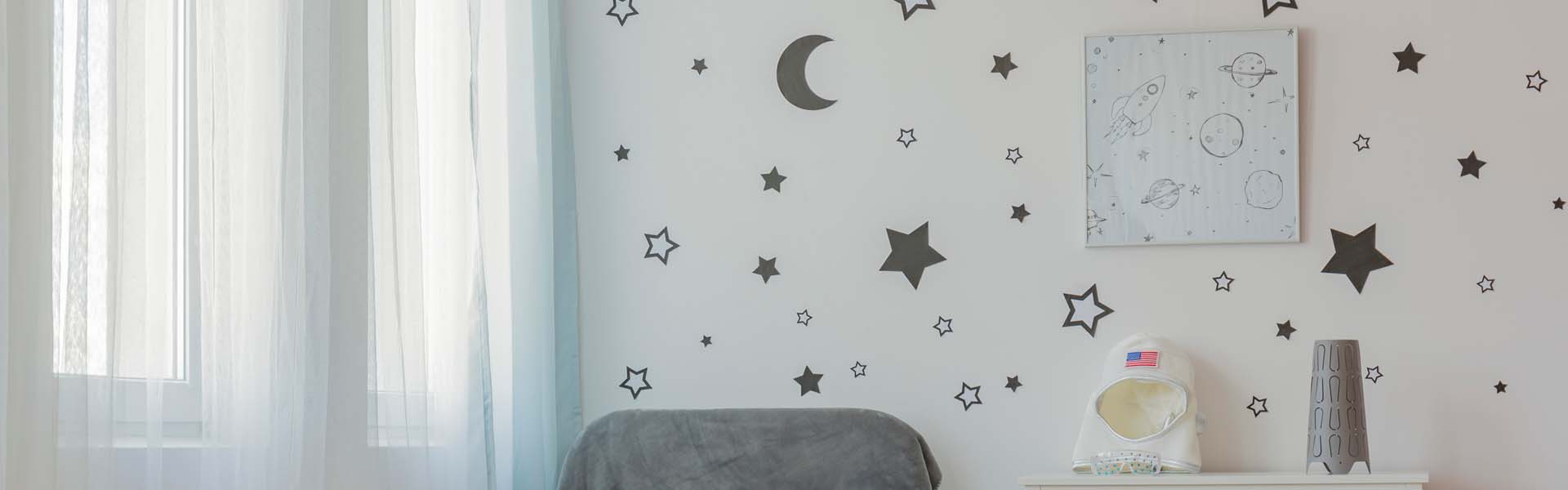
- Cut vinyl: produced in a single colour and cut into predefined shapes, ideal for silhouettes or text-based designs.
- Printed vinyl: created using four-colour printing (CMYK), allowing any design to be reproduced.
- Combined vinyl: integrates both techniques to achieve printed and cut (die-cut) compositions.
The right choice depends on where the vinyl will be applied and its intended function. These guidelines will help your business apply them effectively in interior or workspace environments:
- Adhesive vinyl is ideal for interiors, such as walls or furniture.
- Wet-application vinyl (water and soap application) is more suitable for outdoor use, such as terraces or door signage.
- Static cling vinyl (non-adhesive) is recommended for temporary applications. For example, it is useful for short-term campaigns, events or seasonal messages.
Decorating with self-adhesive vinyl is more cost-effective than it may seem. Application is also straightforward: with proper care, you can achieve high-impact results. If needed, your provider can handle professional installation.
Where and how to apply decorative vinyl
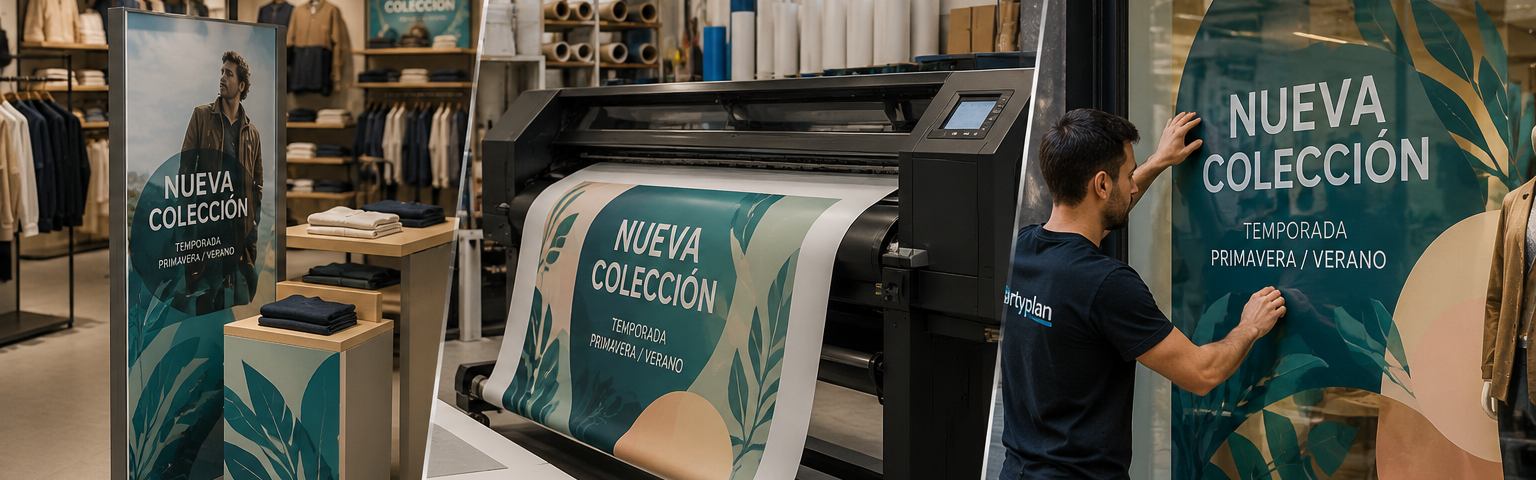
Self-adhesive vinyl offers multiple creative possibilities. Walls and mirrors are among the most common surfaces for application in interiors.
They can also be applied to furniture fronts or sides, ceilings, appliances, skirting boards, wallpaper, shower screens, window glass and, in general, any smooth and rigid surface.
It is essential to ensure that the surface is completely clean, free from grease and dust. Otherwise, adhesion may be compromised. Avoid applying on rough finishes such as textured plaster or stippled walls, as results may not be optimal.
Application guidelines
Before installation, follow the manufacturer’s instructions carefully. Application is generally carried out using a squeegee, gradually removing the backing while applying the vinyl. Air bubbles may occasionally appear, although they typically disappear within two or three days. If necessary, they can be removed with a fine needle.
The flexibility of self-adhesive vinyl allows you to create fully customised designs using images, illustrations or existing visual assets. The creative possibilities are extensive.
With Artyplan’s support
At Artyplan, we specialise in print production and bring over 50 years of experience in self-adhesive vinyl projects.
If your business is considering this type of application, we provide expert consultancy, define the appropriate dimensions and formats, and use sustainable print production technologies, including eco-friendly inks.
We deliver tailored decorative vinyl projects. Share your idea with us and our design and production team will bring it to life. Contact us to get started.