Graphic advertising is often the visible face of your business. It allows you to present your company to clients, explain who you are, showcase your products and even communicate your vision and values. Given its importance, why not give it the attention it deserves? Below, we help you better understand what it involves and which elements you should consider to achieve effective results.
What is graphic advertising?
If you think advertising is limited to media ads or online banners, that is not the case. Advertising includes any type of communication that conveys your business to your target audience, whether they are end consumers or corporate clients.
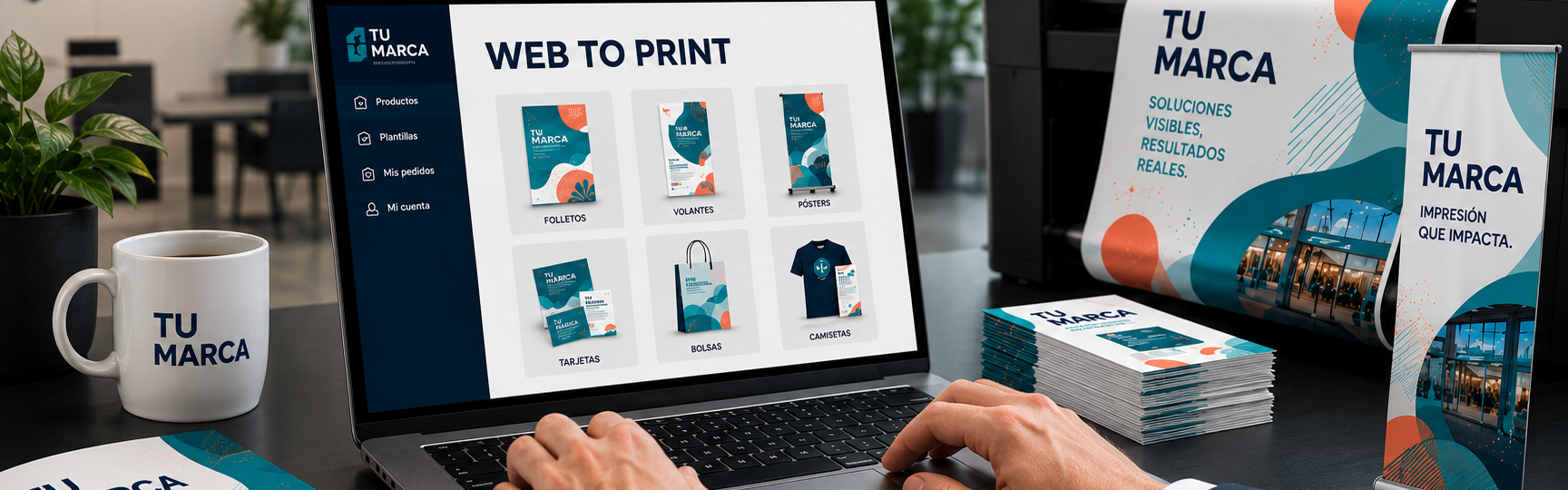
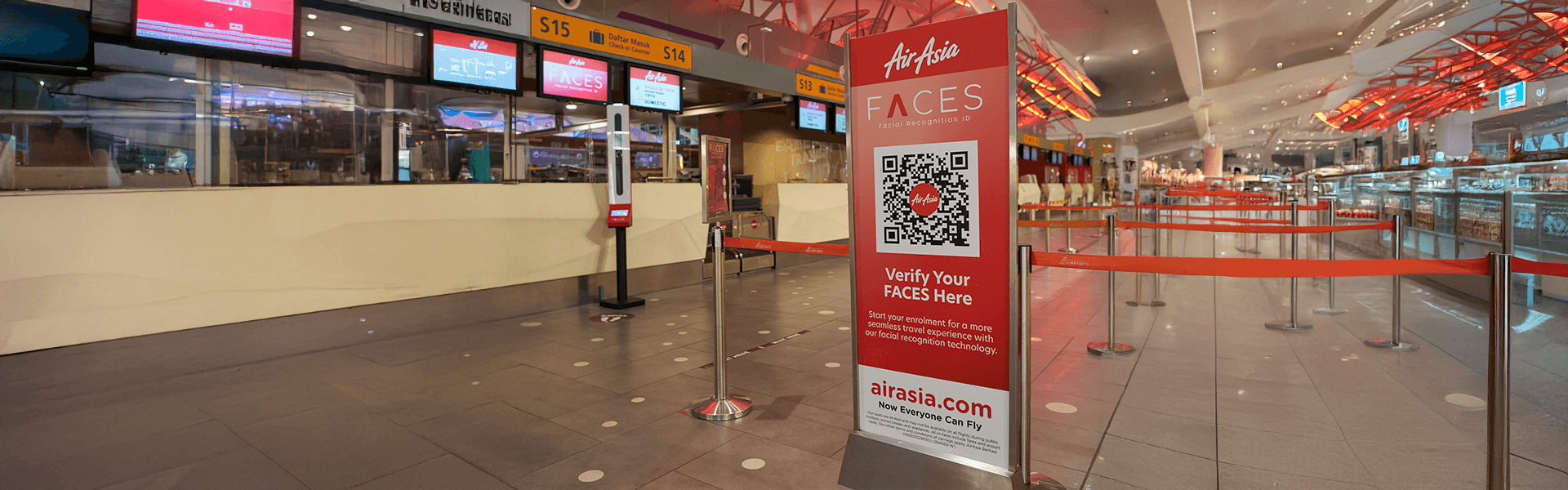
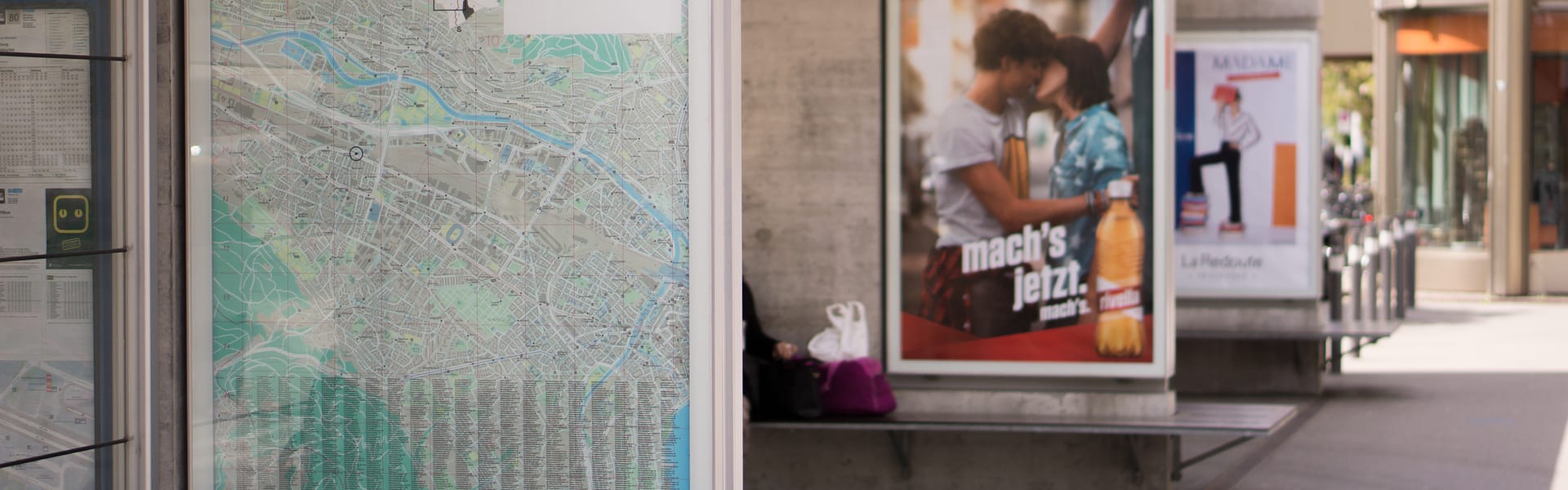
This concept goes beyond animated images or audiovisual formats and also includes static visual pieces and text-based materials. Magazine pages, email campaigns, social media posts or printed brochures delivered alongside price lists are all forms of graphic advertising.
All these elements represent your business and should communicate your best version. They must not only be relevant and engaging, but also visually appealing and desirable. While this may seem challenging, graphic design professionals are trained to help you achieve it.
What graphic elements are part of advertising?
To effectively communicate your message, designers use different visual elements depending on the objective. Since printed media does not include animation or sound, it is essential to focus on the following:
- Logo: any creative action is an opportunity to reinforce your brand identity. Even when the intention is not purely corporate communication, your brand presence should always be recognisable
- Text (copy): a key tool to provide context. It can be descriptive, appealing or persuasive, depending on your strategy, helping differentiate your brand
- Images: these may be explicit (e.g. product or location photos) or aspirational. While the former explain your offering, the latter help convey experiences, emotions and sensations
- Colour: used to evoke emotions and influence behaviour. A designer who understands colour psychology can reinforce your message. For example, red or yellow can stimulate action, while blue or white convey calm and trust
- Composition: the arrangement and hierarchy of all elements within the design. It should align with the priorities of the message you want to communicate
Our Artyplan team can help your business select the most appropriate graphic elements to achieve your objectives.
As a company committed to delivering effective results, in addition to our print production services, we also provide advisory support in visual creativity. If you require quality criteria or have questions, we will guide you towards the best option.
Graphic advertising does not have to be complex. With the right tools and expertise, you can create impactful communications that capture attention and differentiate your business from competitors. It is an opportunity you should not miss.