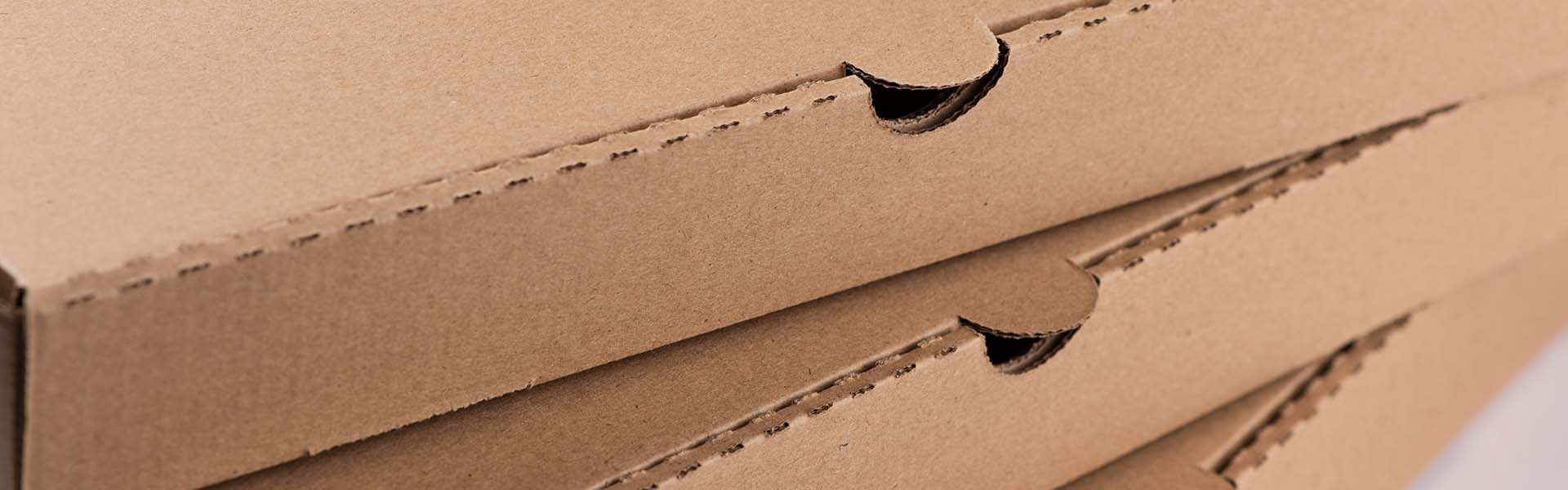
The English term packaging refers to product packaging, meaning everything that surrounds the product. It serves a dual purpose: to protect the contents and enhance communication, as it conveys value and strengthens the projected brand image. Increasingly, companies are choosing customised and sustainable packaging.
Advantages of customised packaging
It is now possible to create fully customised packaging and wrapping for your products. New technologies and production systems enable a high level of personalisation. As a result, the final finish of your packaging can be precisely defined. Creativity sets the direction, and we bring it to life.
Customised packaging offers significant advantages for brands. Firstly, it differentiates your products and, secondly, it delivers added value to your customers.
Benefits of choosing customised packaging
Consider these advantages when deciding how to design and produce your packaging:
- Build customer loyalty. It better adapts to user expectations and needs.
- Attract new customers. Personalised formats are often perceived as more appealing and effective.
- Enhance brand image. It adds distinctive value and is often associated with innovation.
- Improve brand recall. It helps customers remember and value your products.
- Increase flexibility and versatility. It can be adapted to new trends or customer preferences.
- Support brand growth. It increases impact and strengthens perceived value.
- Create closeness and engagement. Customers feel more considered and connected.
Sustainable materials for customised packaging
Today, customers expect a strong environmental commitment. It is one of the most established values in today’s market. Sustainability is non-negotiable and must be demonstrated through actions.
For this reason, both packaging and wrapping should be sustainable. The good news is that materials with these characteristics are already available and can be applied to customised packaging. Innovation in this field continues to deliver new and effective alternatives.
The reasons for choosing them are clear:
- Ethics. We must all act with environmental responsibility.
- Brand image. Companies that adopt sustainable practices are more valued and trusted.
- Consistency. If your business communicates sustainability, it should be reflected in every action. Packaging is often the first point of contact.
- Cost efficiency. Sustainable solutions do not necessarily increase costs and can often optimise them.
Main sustainable materials
Below are some of the available options for customising your packaging:
- Honeycomb board. Made from cellulose and special papers, with a hexagonal internal structure. It offers high strength, flexibility, compression resistance and lightness.
- Abiplex. A versatile, lightweight material made from cellulose-based raw materials. Ideal for complex structures.
- Microchannel cardboard (1.5 mm and 3 mm). A durable and resistant material with reduced weight. It provides excellent print quality and high performance.
- Kraft. Produced from wood pulp fibre or recycled cardboard. It is lightweight and highly resistant.
- Folding boxboard (FBB). A resistant material with a smooth surface and high whiteness, ideal for high-quality printing.
- Display board (DISPA). A material with excellent flatness and a homogeneous surface.
Your trusted partner
At Artyplan, we help bring your packaging projects to life. Our experts will advise you to find the most suitable solution. Contact us.