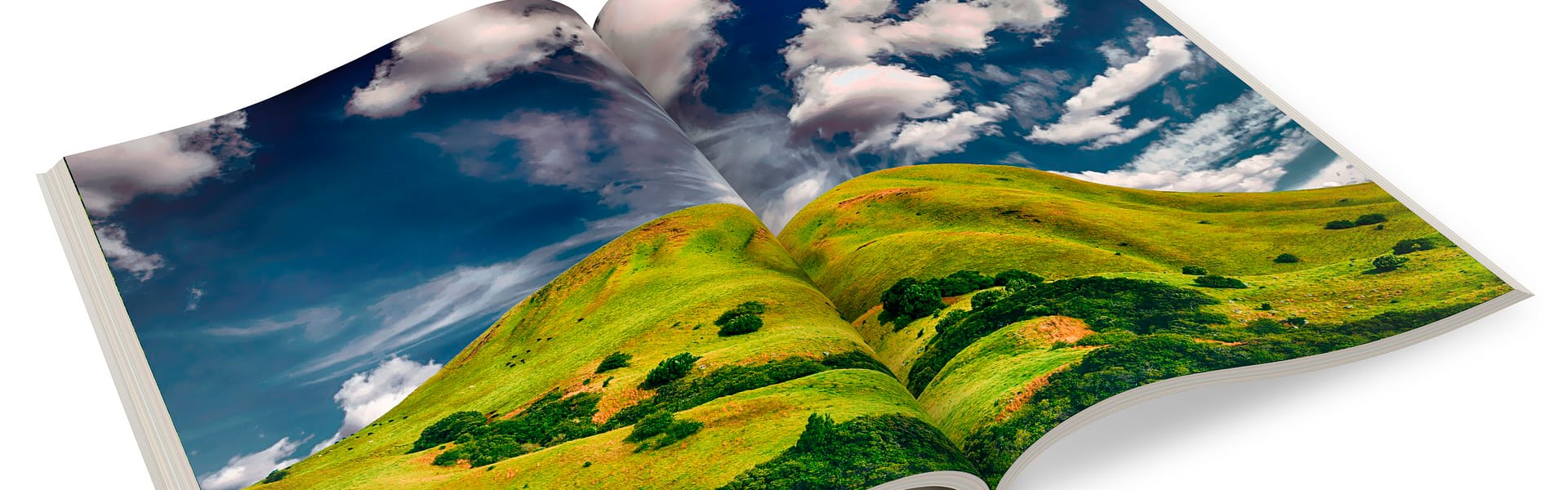
Post-press is the final stage in the creation of graphic materials and printed elements. It is a key phase that determines the final impact of the finished product. Poor decisions at this stage can undermine all previous work or prevent the result from achieving its full potential. Below, we explain this process in detail.
What is post-press?
Also known as print finishing, this stage is responsible for adding the final touches and nuances to printed materials. It includes a series of processes aimed at enhancing the final result. These tasks involve actions to optimise the appearance, as well as logistics management and delivery to your business.
What tasks are carried out in post-press?
These are the final processes performed after printing any element:
- Surface treatments and protection. Protective or decorative solutions are applied, such as full or selective varnishing, laminates or coatings to protect against moisture, grease or wear, image protection, or the addition of adhesives.
- Structural and binding processes. These adapt the printed piece to its final format, including cutting, folding, creasing, gluing, die-cutting, embossing, varnishing and laminating. These processes are often outsourced to specialised providers.
- Special finishes. Specific processes that add differentiation to the final result. These are usually optional and decorative, enhancing the perceived value of the printed piece.
What are the main types of post-press finishes?
Among special finishes, there are several options your business should be aware of. Understanding their applications will help you decide whether to include them in your print projects.
Rounded corners
Commonly used, for example, in business cards. This involves trimming the corners into a rounded shape, creating a more refined appearance and a pleasant tactile finish.
Lamination
Combining two or more layers to create a more durable and visually appealing printed material.
Varnishing
This technique involves applying a thin transparent layer (gloss, matte, satin, etc.) to the surface of the printed image. It protects against scratches and provides a higher-quality finish. Depending on the desired effect, varnishing can be used to add shine, texture or visual contrast.
- UV varnish is used in graphic design to highlight specific elements, adding value and improving visual perception.
- 3D UV varnish is achieved by applying multiple layers of varnish to create volume in selected areas.
Encapsulation
Similar to lamination, but using polyester films to provide greater rigidity and longer durability.
Dust jackets
Commonly used in books and catalogues. These are covers folded over themselves on one side, providing additional protection.
Embossing
Relief elements applied to the printed material to create special, more striking effects. These are usually applied to specific areas to add an elegant and distinctive touch.
The role of Artyplan’s advisors
Professional guidance is essential to make the right printing decisions. What may initially seem like a good idea can become a challenge in practice. Likewise, you may be unaware of certain finishing options that could significantly enhance your printed materials.
At Artyplan, we have post-press specialists who prioritise your business needs. Let us advise you to achieve high-quality results in your graphic production and print projects.