Packaging is much more than simple product protection. It has become a powerful branding tool that can differentiate your business from competitors, improve customer perception and build brand loyalty. Below, we explore key strategies to use packaging as an effective branding tool.
Consistent brand identity design
Packaging design must reflect the brand’s visual identity. This includes the use of colours, typography and graphic elements that are consistent with the logo and corporate image. Consistency in design helps create a strong and recognisable perception of the brand in the consumer’s mind.
Example:
The luxury brand Chanel maintains a black-and-white colour palette on its packaging, conveying elegance and sophistication in line with its brand identity.
Functionality and user experience
Packaging must be functional and easy to use. Beyond that, it should provide a memorable customer experience. This can range from details such as easy product access and resealable closures to presentation that surprises and delights the user.
Example:
Apple is known for its minimalist and well-designed boxes, which not only protect the product but also create an unboxing experience that enhances consumer excitement.
Sustainability and Corporate Social Responsibility
Consumers increasingly value sustainable practices. The use of recyclable or biodegradable materials and the reduction of packaging waste can enhance a brand’s image, attracting environmentally conscious customers.
Example:
Brands such as Patagonia use recycled materials in their packaging, aligning with their sustainability and environmental responsibility values.
Customisation
Packaging personalisation can make customers feel valued and recognised. This can be achieved through labels with personalised names, unique messages or exclusive designs for special occasions.
Example:
Coca-Cola launched a campaign featuring personalised labels with names, significantly increasing sales and strengthening emotional connections with consumers.
Stories and narratives
Packaging can serve as a platform to tell the story of the brand or product. Including details about product origin, manufacturing processes or company values can create an emotional connection with consumers.
Example:
Ben & Jerry’s uses packaging to share stories about its flavours, ingredients and ethical practices, creating a deeper bond with customers.
Success stories

Tiffany & Co.
The iconic Tiffany blue colour is recognised worldwide. Its blue box with white ribbon not only protects the jewellery but has also become a symbol of luxury and exclusivity.
Apple
Apple has mastered the unboxing experience with clean, minimalist packaging that reflects the simplicity and elegance of its products, generating a memorable experience for users.
Nespresso
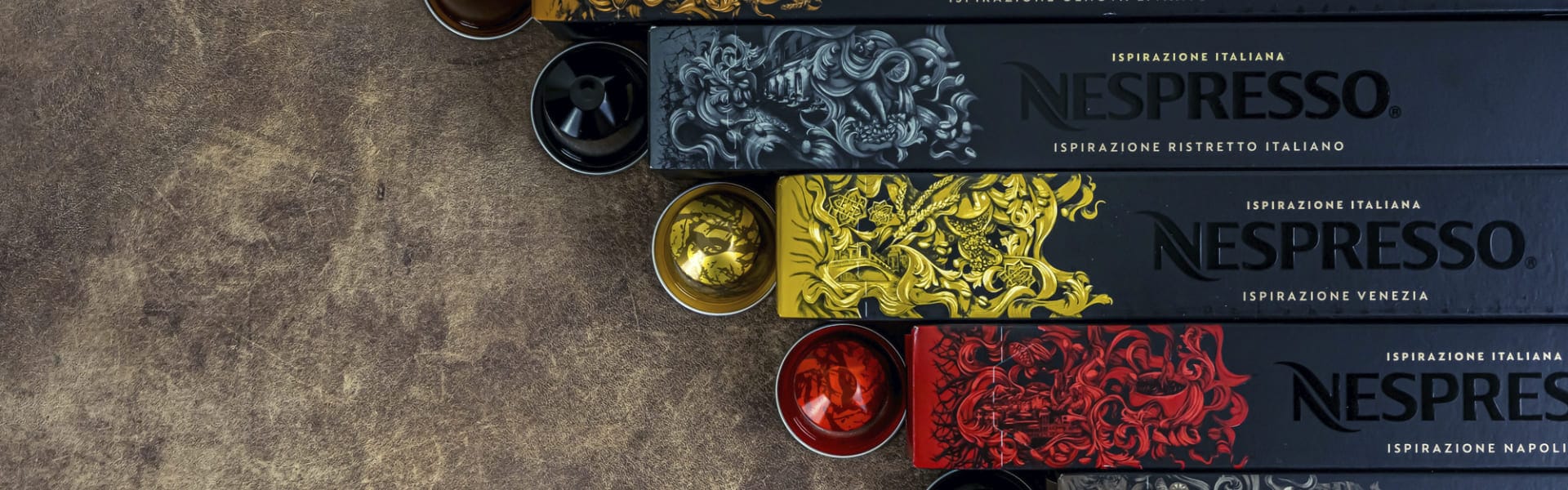
Nespresso uses sophisticated, reusable packaging that reflects its premium image. In addition, its capsule recycling system resonates with environmentally conscious consumers.
Glossier
The beauty brand Glossier ships its products in reusable pink pouches with a simple yet modern design. This minimalist presentation and unboxing experience have helped build a loyal and enthusiastic customer base.
In conclusion, packaging is a vital extension of the brand and a key tool in branding strategy. By combining design, functionality, sustainability, personalisation, storytelling and innovation, your business can build a deeper and longer-lasting connection with customers.