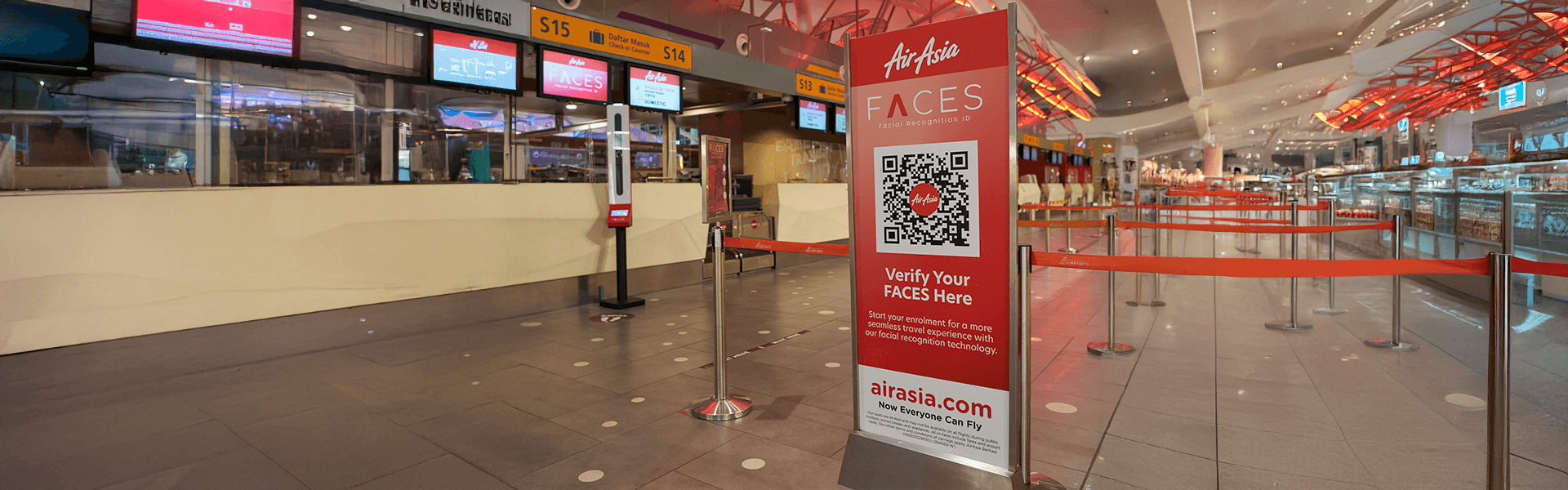

The point of sale is where customers can directly explore a company’s product range. This space must be designed to allow customers to test or try products, as well as to encourage the purchase of additional items through offers or promotions. Various graphic materials are used for this purpose, including advertising displays. This type of display can help increase sales, position the promoted product in the market and support advertising campaigns.
What is an advertising display?
An advertising display is a small-format display unit placed on a counter, in a shop window or within the point of sale.
Its main function is to present the products or services being promoted in order to increase sales, while also providing key information about their features.
Due to its size and location, messaging must be concise. It is recommended to use a clear, appealing image accompanied by a slogan or brand reference.
Advertising displays can be made from materials such as methacrylate (acrylic (PMMA)), wood or cardboard. The latter is an eco-friendly option as it is recyclable. These displays can be free-standing, include fold-out sections, a base or other support structures, and may also incorporate leaflet dispensers.
Types of advertising displays
Advertising displays must reflect the brand identity, communicate a message and create a call to action. There are different formats, some adaptable to any type of promotion and others customised for specific campaigns. Some examples include:
- Countertop displays: The most common type. Available in a wide range of formats and print options. Fully customisable and made to measure. Some can even hold product samples.
- Totem displays: A display unit that stands on a base and stands out due to its height and visual impact.
- Concave displays: Countertop promotional displays with a curved shape. The curved surface acts as a background and display area.
- Display cubes: Original formats that allow multiple placement and combination options. All sides are printable, offering a large communication surface.
- L-shaped displays: A classic countertop format, highly versatile in terms of personalisation and placement at the point of sale.
- Triangular displays: Another classic format for countertop advertising or informational elements. Printed on both sides, with the triangular base acting as support.
- Leaflet holder displays: Designed to hold brochures, catalogues or folded leaflets (diptychs, triptychs, quadriptychs). Typically made of die-cut printed cardboard for easy assembly. Ideal for trade shows and counters, providing more detailed information about the promoted product.
How to design a promotional display?
When designing a display, it is advisable to consider the following:
- Be concise. The message should be clear at a glance, with a visually balanced composition.
- Include a call to action: encourage your audience to take the desired step, whether it is a purchase, a visit or a subscription.
- Rely on professional print production. To achieve the desired impact, both design and print production should be carried out by experienced professionals.
- Choose the right display format. As explained, there are different display formats. It is important to select the one that best fits your brand, message and audience.
- Analyse placement. To reach your target audience, your display must be positioned where your potential customers are present.
Artyplan helps you create the ideal display
Our structural design experts will advise you on the best option for your project and help optimise your campaign.