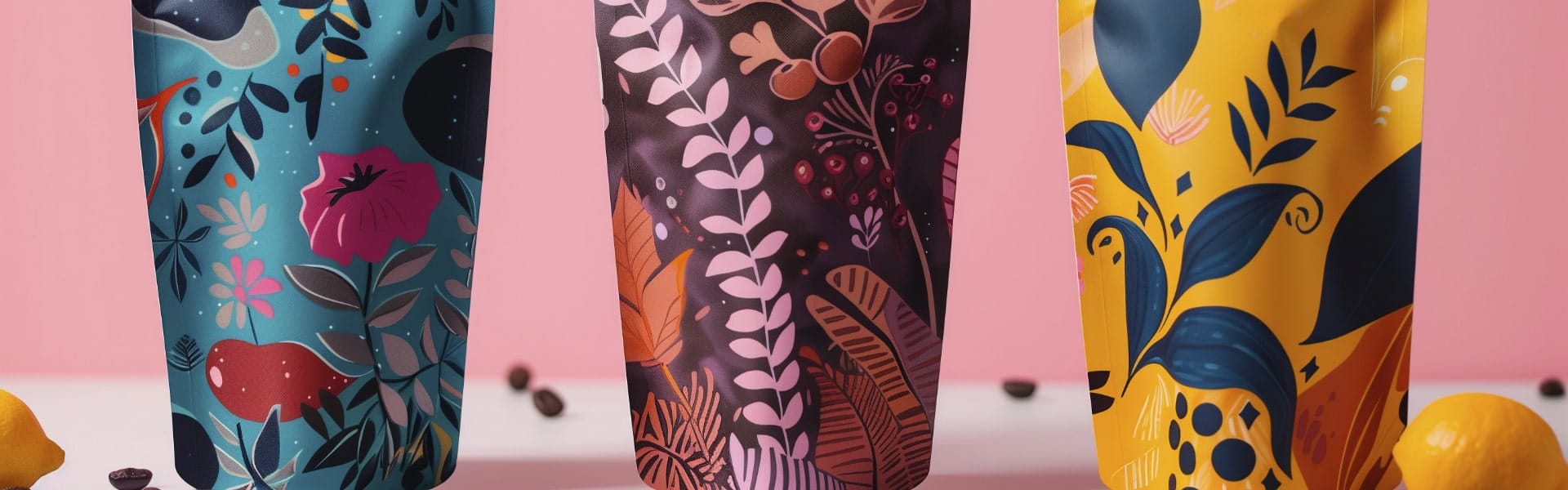
Packaging design plays a crucial role in product and brand differentiation. One of its most important aspects is colour selection, which not only attracts consumer attention but also influences purchasing decisions.
Colour Psychology: How Packaging Colour Can Increase Sales
Packaging goes beyond being a simple product container. It is a key strategic tool that can significantly influence the success of a product. Packaging not only protects and presents products but also directly affects sales performance and brand recognition.
It is essential to stay informed about current design trends and consider cultural context when selecting colours. What works in one market may not be effective in another due to differences in how colours are perceived across cultures.

Each colour evokes different emotions and associations in consumers. For example:
- Red:
Energy and urgency, often used for promotions and special offers. - Blue:
Trust and serenity, ideal for products that aim to convey reliability. - Green:
Associated with health and sustainability, making it suitable for eco-friendly products. - Yellow:
Quickly captures attention and conveys optimism and happiness.
Bright and playful tones tend to attract younger audiences, while more refined and understated colours often appeal to a more mature demographic.
How to Design Effective Promotional Packaging
To create effective promotional packaging, several key factors should be considered:
- Brand values:
Even when promotional packaging differs from standard brand design, it should remain aligned with the brand’s core values to ensure message consistency. - Target audience:
Understanding the preferences, habits and characteristics of the intended audience is essential when designing promotional packaging. - Promotional campaign integration:
Packaging should integrate seamlessly with other campaign elements such as labels, displays and POS materials (POSM) to reinforce product identification. - Sustainability:
Consumers increasingly value sustainable practices. Choosing responsible materials, colours and print production processes helps reinforce a brand’s environmental commitment. - Budget considerations:
Resources are always limited, so efficiency in the production of promotional packaging is important. Using technologies that optimise production costs without compromising quality is key.
Packaging Strategies to Increase Sales
Today, companies can use creative and innovative packaging techniques to strengthen product visibility and increase sales.
- Memorable visual impact:
On crowded retail shelves, packaging with distinctive colours can make a product stand out. Bright and striking colours attract attention, while subtle palettes may appeal to audiences seeking premium or niche products. - Brand consistency and recognition:
Using colours, logos and graphic elements consistently in packaging reinforces brand identity and creates a visual connection between products and the company. Consumers who are familiar with a brand often recognise its colours quickly when making purchasing decisions. - Effective communication:
Well-designed packaging is not only attractive but also informative. It can communicate key product features, usage instructions or a brand story. - Improved customer experience:
A well-designed and functional package makes the product easier to handle and creates a perception of higher quality, which can lead to greater customer satisfaction and loyalty.
Packaging influences not only consumer attention but also establishes an emotional connection, increasing the likelihood that a product will be chosen on the shelf. Brands that effectively apply colour psychology in packaging design are better positioned to increase sales and strengthen their market presence.