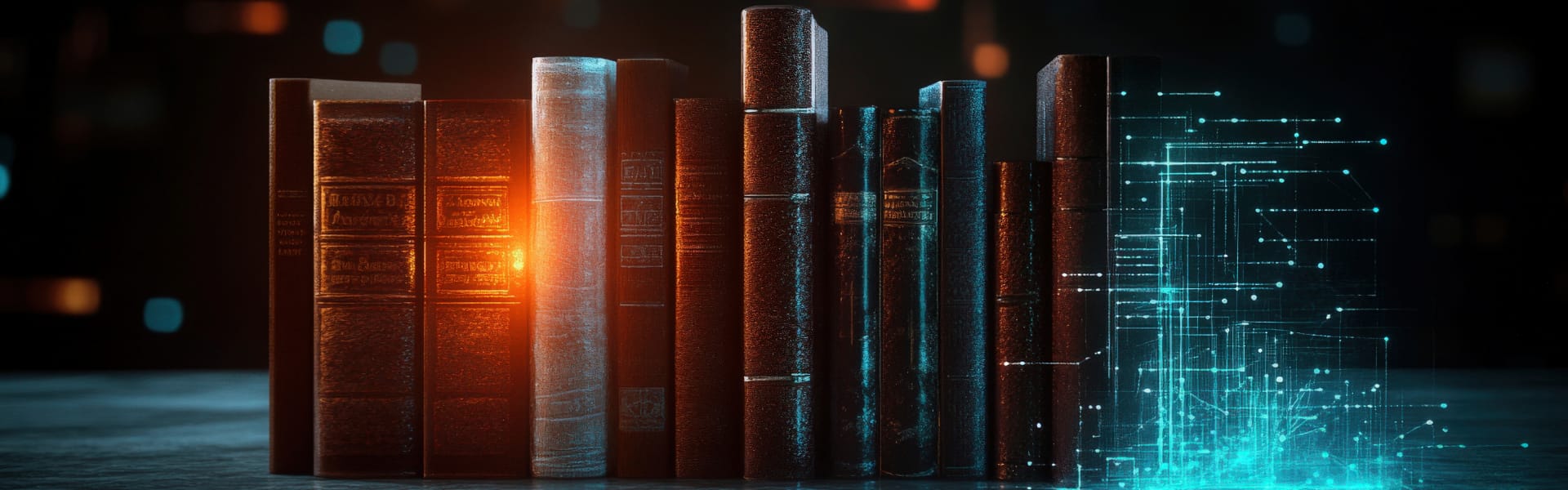

The richness of historical archives held by cultural organisations—such as theatre associations, museums and libraries—is undeniable. These collections preserve years of history in the form of manuscripts, programmes, posters, musical scores and photographs, all bearing witness to an institution’s artistic and cultural legacy. However, safeguarding and enhancing this heritage requires modern solutions such as digitisation, which not only ensures long-term preservation but also facilitates access and research.
In this article, we explore how digitisation has become an essential tool for cultural institutions, examining the types of documents that benefit from this process, the challenges involved and the opportunities it creates for the future.
What Does It Mean to Digitise Cultural Historical Archives?
Digitising a historical archive is not simply about converting a physical document into a digital file. It is a meticulous process that requires preserving the integrity of the material, ensuring the highest quality reproductions and organising files efficiently for consultation and retrieval.
Common Types of Documents in Cultural Historical Archives

- Manuscripts: Original writings that reflect decisions, ideas or artistic creations from past eras. Digitisation ensures they are not lost over time.
- Musical Scores: Essential documents for preserving an institution’s musical memory. Their conversion into digital files allows consultation and analysis without risk of deterioration.
- Programmes and Posters: These materials provide insight into past cultural events and institutional activities. Digitising them turns them into accessible resources for exhibitions and research.
- Historical Photographs: Images that narrate the visual history of an organisation. Digitisation enables restoration, preservation and easy sharing.
- Invoices and Administrative Records: Beyond their artistic value, these documents help understand the financial and organisational evolution of an entity.
Key Benefits for Cultural Institutions
- Preservation and Protection
Time, environmental conditions and frequent handling deteriorate physical materials. Digitisation safeguards unique documents and ensures their availability for future generations.
- Safe Consultation
Digital archives allow access to documents without handling the originals, reducing wear and preserving their condition.
- Dissemination of Cultural Heritage
Once digitised, materials can be shared through online platforms, virtual exhibitions or publications, bringing cultural heritage to a global audience.
- Storage Optimisation
Digital archives require less physical space and are easier to manage, which is particularly valuable for institutions with large volumes of historical documents.
- Research and Development
Digitisation enables historians, researchers and contemporary artists to explore archives in greater depth, fostering new creations and studies based on existing heritage.
The Digitisation Process in Cultural Institutions
- Analysis and Classification
It is essential to assess and classify the archive, prioritising the most fragile materials or those of greatest historical relevance.
- Use of Specialised Technology
Digitising historical documents requires advanced equipment, such as high-resolution scanners and mobile devices for on-site work in archives or libraries.
- Compliance with Preservation Standards
Digitisation must follow international preservation standards to guarantee the quality and longevity of digital files.
Organisation and Archival Management
Once digitised, documents should be stored in a document management system that facilitates access and consultation, including the use of metadata for proper cataloguing.
- Backup Copies and Digital Security
Protection against cyberattacks or accidental loss is crucial, making backup systems and encryption essential.
- Backup Copies and Digital Security
Ensuring protection against cyberattacks or accidental data loss is essential. For this reason, it is crucial to implement reliable backup systems and robust encryption protocols that safeguard digital archives and guarantee their long-term integrity and availability.
Use Cases and Opportunities
- Creation of Digital Exhibitions
Digitised programmes, posters and historical photographs can be used to create virtual exhibitions that narrate the evolution of a cultural institution.
- Collaboration with Artists and Researchers
Digitisation facilitates access to archives for artists and researchers, inspiring new works and studies based on the institution’s historical legacy.
- Preservation of Music and Performing Arts
Digitising scores and manuscripts ensures that an organisation’s musical and performing arts heritage remains alive and accessible for future generations.
An Enduring Legacy
Digitising cultural historical archives is an investment in the future. It allows institutions not only to preserve their heritage but also to make it accessible and relevant to a broader audience. By connecting past and present, digitisation opens new opportunities for creativity, education and cultural dissemination.
Our commitment is to help you protect your legacy and give it new life in the digital world. Contact us to start transforming your documentary heritage today.