Graphic production is structured as a sequence of processes that can be divided into three main stages: design, pre-press and printing.. Would you like to learn more about the second stage?
What is pre-press?
Pre-press is the process that identifies and corrects any issues that may have arisen during the design phase before printing. It acts as the intermediary stage between document design and final print production.
Its purpose is to ensure a smooth production process, optimise results and prevent potential errors. A skilled team with the right expertise and experience can anticipate complications and ensure the final product meets expectations.
Carrying out this stage properly benefits all parties involved. Your business receives files in optimal condition, and the print provider can proceed with full confidence that everything is correctly prepared.
From a technical perspective, pre-press includes all processes and techniques required to produce print-ready files, from which printing plates or digital outputs can be generated.
Pre-press stages
There are five clearly defined and essential stages in any print production workflow:
- Receiving and checking original materials.
- Processing the content.
- Layout and imposition.
- Generating and validating print forms.
- Producing pre-press proofs.
The first step involves receiving all materials (photos, illustrations, text in print or digital format, negatives, video or TV signals, graphics, PDFs, etc.) and converting them into a unified, manageable format.
Next comes content processing, where key aspects are defined, such as the substrate (printing material), print quality, final format, colour settings, image resolution and file formats. At this stage, specialists typically use professional software such as Illustrator, Photoshop, Acrobat or InDesign.
The third stage involves layout composition and content organisation, generating the final document to be sent for printing. Text, images and graphic elements are prepared, and processes such as imposition and colour separation (CMYK: cyan, magenta, yellow and black) are carried out.
The fourth stage focuses on the specific requirements of each printing system. Depending on the method, this may involve data storage, film output, computer-to-film (CTF), computer-to-plate (CTP) or digital printing.
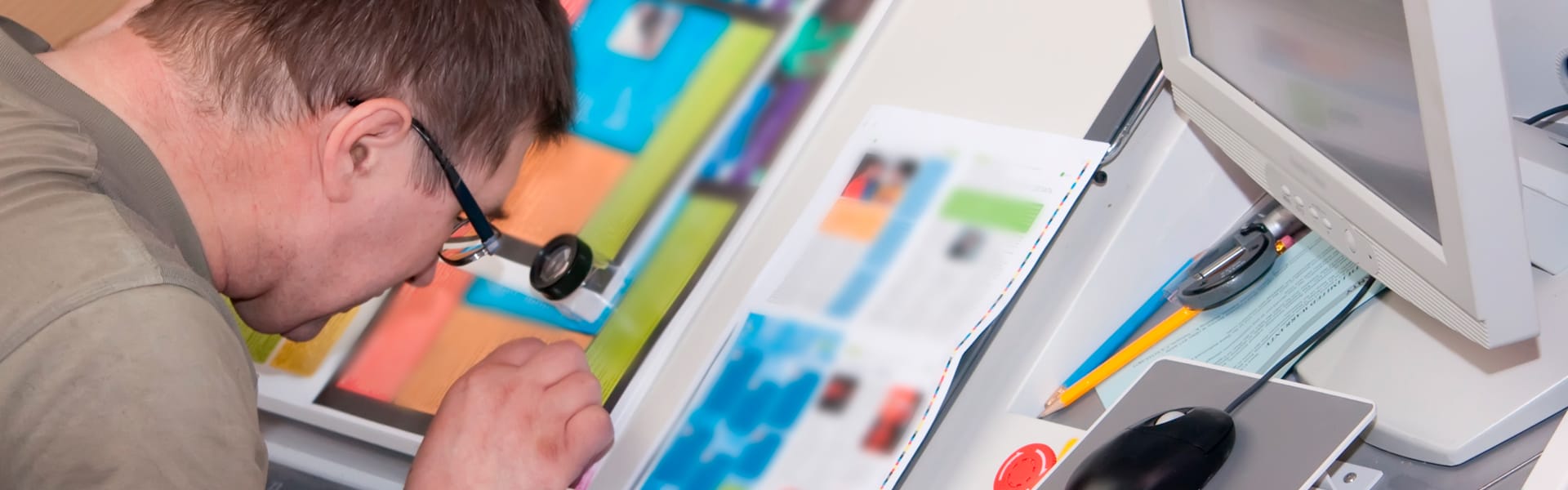
Finally, the necessary proofs are produced and presented to your business to validate the result before final production. These may include imposition proofs, colour proofs and other validation formats.
Why is it important to work with expert print professionals?
As you can see, this is a highly technical process that requires expertise, precision and experience to manage effectively. Only qualified professionals with proven experience can ensure optimal results in any situation.
Choosing experienced and detail-oriented specialists ensures higher quality, reliability and service.
With Artyplan’s support
Our industry expertise, commitment to excellence and the knowledge of our specialists allow us to support your business throughout every stage of print production. We work with all printing systems and apply a methodology focused on achieving the best possible results.
In all our pre-press processes, we prioritise sustainable materials and responsible production practices. We are committed to protecting the environment while delivering high-quality print production.