Lenticular Printing

Lenticular Printing

Artyplan develops lenticular printed pieces that change depending on the angle from which they are viewed. A sheet of microlenses placed over an interlaced image can create 3D depth, alternate between several images using a flip effect or produce a sense of movement.

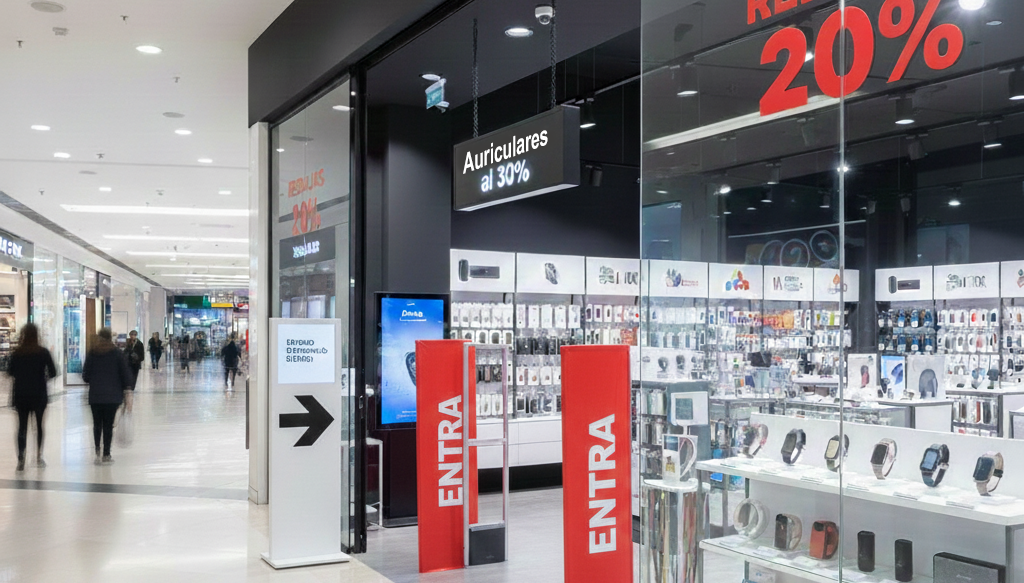
Lenticular printing is used in shop windows, point-of-sale advertising campaigns, product launches, trade shows and special editions when the piece needs to capture people’s attention as they move past it.

We manage projects from our facilities in Barcelona and Madrid for campaigns throughout Spain. We select the effect, size and lens orientation according to the viewing distance, location and expected movement of the audience.

This product forms part of our large-format printing solutions for businesses.

Types of lenticular printing effects

The lenticular effect is defined according to the message, the installation location and the viewer’s expected movement. Each piece is prepared for the distance and angle from which it will be viewed.

3D effect

Creates a sense of depth using different visual planes. It is suitable for product images, covers, shop windows and premium pieces where the aim is to make one element stand out from the background.

Flip effect

Alternates between two or more images as the viewing angle changes. It can show a before-and-after comparison, different versions of a product or several messages within a single piece.

Animation effect and format selection

Animation effect

Combines a sequence of images to create a sense of movement. It works particularly well in corridors, shop windows and spaces where people move past the graphic.

How do we choose the effect?

The choice depends on the viewing distance, the audience’s movement, the orientation of the piece and the number of images it needs to display.

These effects can be applied to displays, packaging, labels, calendars, posters, promotional products and point-of-sale advertising materials.

Artwork requirements for lenticular printing

There is no need to provide an interlaced image or artwork prepared for the lens. Our team carries out the technical adaptation according to the chosen effect, final size, orientation of the piece and viewing distance.

Files for the flip effect: We need the images as separate files, with the same dimensions, framing and perspective. The main elements should ideally occupy similar positions so that the transition between images is clearly perceived.

Files for the 3D effect: The composition must allow the background, intermediate planes and main elements to be separated. Editable files or images organised in layers make it easier to create depth.

Files for animation: An ordered sequence of images or frames should be provided. The more consistent the framing is between them, the smoother the movement will appear when the piece is viewed from different angles.

Before production, we check the files and prepare a preview to validate the effect. The resolution and number of images are determined for each project according to the selected format and lens.

No hay encuadernaciones disponibles.

Frequently asked questions about lenticular printing

Where does a lenticular piece work best?

It works best at eye level and where viewers move past the piece. This makes it particularly effective in shop aisles, shop windows and trade show spaces designed as photo points or photo opportunities.