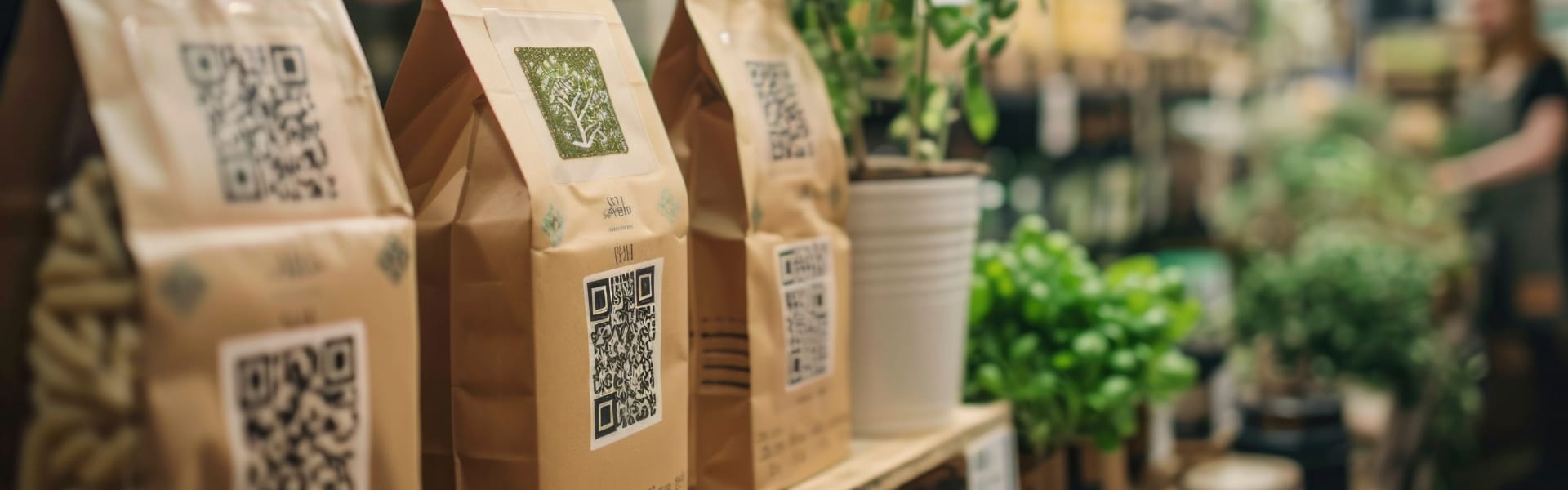
Packaging design continues to evolve, and 2025 promises to be a key year for the industry. In a context where sustainability and functionality are essential, packaging is no longer just a container for the product, but an extension of brand identity and a powerful tool to connect emotionally with consumers. As audience expectations grow, brands must adapt to new trends that integrate innovation, efficiency and environmental commitment.
Sustainability as a fundamental pillar
Sustainable packaging is not a passing trend; it is a market requirement. Consumers are looking for environmentally responsible packaging, so in 2025 we will see increased use of recycled, biodegradable and compostable materials.
Tip: Consider implementing eco-design strategies that reduce waste and optimise resource use. Brands that integrate these materials into their packaging strategies will not only comply with environmental regulations, but also reduce their carbon footprint while maintaining quality.
Brand transparency
In an environment where consumers demand more information about the products they purchase, transparency in packaging becomes crucial. Details such as the origin of materials, the product’s environmental impact and ecological certifications will be clearly and accessibly displayed.
Result: A stronger and more transparent relationship with customers, reinforcing brand image.
Mass personalisation
With digital printing, mass personalisation is now more accessible than ever. Consumers value products that feel unique and aligned with their personal preferences, creating a closer connection with the brand. Customised packaging, with messages or designs adapted to special dates, events or individual tastes, strengthens the bond between brand and audience.
Example: Food and beverage companies are already offering personalised labels featuring the customer’s name or exclusive designs for special events.
Minimalism and clean design
Less is more. Minimalist aesthetics, with simple typography and neutral colour palettes, will continue to dominate in 2025. This style conveys elegance and professionalism, while allowing customers to focus on the product’s core message.
Consumers appreciate packaging that communicates authenticity and quality without excessive visual elements. This approach also supports sustainability by reducing the use of inks and unnecessary materials.
Trend: Transparent or semi-transparent packaging is also gaining ground, allowing the product to speak for itself.
Interactivity and smart technology
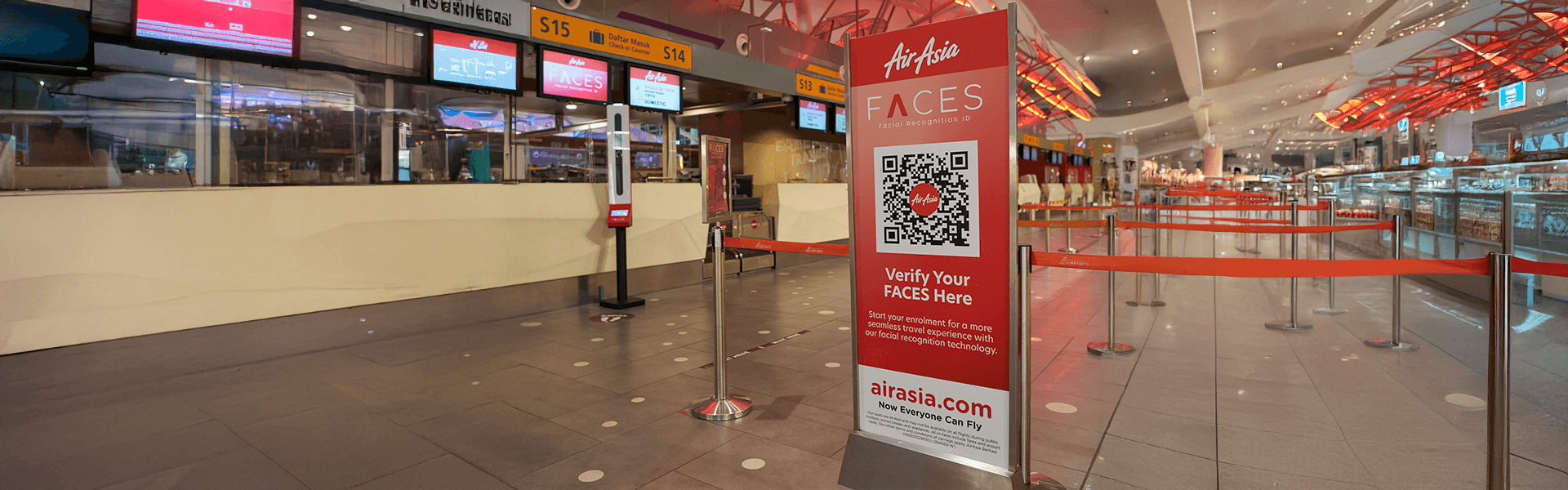
The integration of technologies such as QR codes, NFC and augmented reality (AR) will transform packaging into an interactive experience. In 2025, consumers will be able to scan a code to access detailed information about product traceability, usage instructions or even participate in games and promotions.
In addition, the use of sensors in packaging to monitor product freshness or temperature can offer significant advantages, especially in sectors such as food and pharmaceuticals.
Benefit: This technology not only enhances the customer experience, but also provides valuable data for brands. Greater transparency and customer loyalty through personalised digital experiences.
Storytelling through packaging
Packaging becomes an extension of the brand story. In 2025, companies will use packaging to share powerful messages about their values, manufacturing processes or social impact. This creates an emotional connection with customers and strengthens brand identity.
Example: A coffee brand could include details on its packaging about the origin of the beans and the communities that produce them.
Convenience and functionality
Functionality in packaging design is evolving to
offer more intuitive and convenient experiences. For example, packaging with easy-opening systems, internal dividers or airtight closures will enhance user experience. In 2025, we will see a rise in designs that prioritise convenience without compromising aesthetics.
Innovation: Pouches with airtight sealing systems or packaging with internal dividers to separate different products.
Circular economy in packaging
The circular economy is gaining prominence in the packaging sector. Reusable and returnable packaging is becoming increasingly common, promoting a more sustainable business model. More and more companies are implementing return and recycling programmes to close the product life cycle loop.
Positive impact: Cost savings and improved brand perception among environmentally conscious consumers.
2025 will mark a turning point in the packaging sector. Companies that adopt these trends will not only position themselves as leaders in their industries, but will also contribute to a more sustainable future.
At Artyplan, we are committed to delivering packaging solutions that combine creativity, functionality and respect for the environment. Contact us and discover how we can help your business stand out with packaging that makes a difference.