
The rise of ecommerce has transformed the way we consume and, with it, the requirements for ecommerce packaging that protects, promotes and delivers the products we buy online. The way a product reaches the customer has a significant impact on brand perception, satisfaction levels and purchasing decisions. Packaging is now a strategic marketing tool, a brand communication opportunity and an indicator of sustainability.
Below, we explore how packaging in ecommerce is evolving, supported by data and statistics that demonstrate its impact on the market and on consumer decision-making.
The Ecommerce boom in the 2000s: Changes in Packaging
With the new millennium came exponential growth in ecommerce. Consumers began purchasing a wider variety of products online, prompting businesses to improve their shipping and packaging strategies. The functionality of packaging expanded to ensure products arrived in perfect condition while optimising transport and storage costs.
Packaging began to be designed specifically for ecommerce, focusing on the protection of fragile products and efficient transport. According to data from DS Smith, in this early stage ecommerce packaging focused primarily on meeting logistics requirements, with less emphasis on consumer-oriented aesthetics.
Exponential Ecommerce growth and its impact on Packaging
As ecommerce continues to grow at pace, packaging must meet increasing demands in both volume and quality. According to a Statista study, global ecommerce sales reached USD 5.2 trillion in 2023 and are expected to reach USD 8.1 trillion by 2026. This growth has driven higher demand for packaging designed specifically for online sales.
A Smithers report estimates that the ecommerce packaging market will grow at an annual rate of 14.3% until 2028, driven by the expansion of online shopping and consumer expectations for attractive and sustainable packaging.
The importance of Unboxing in the customer experience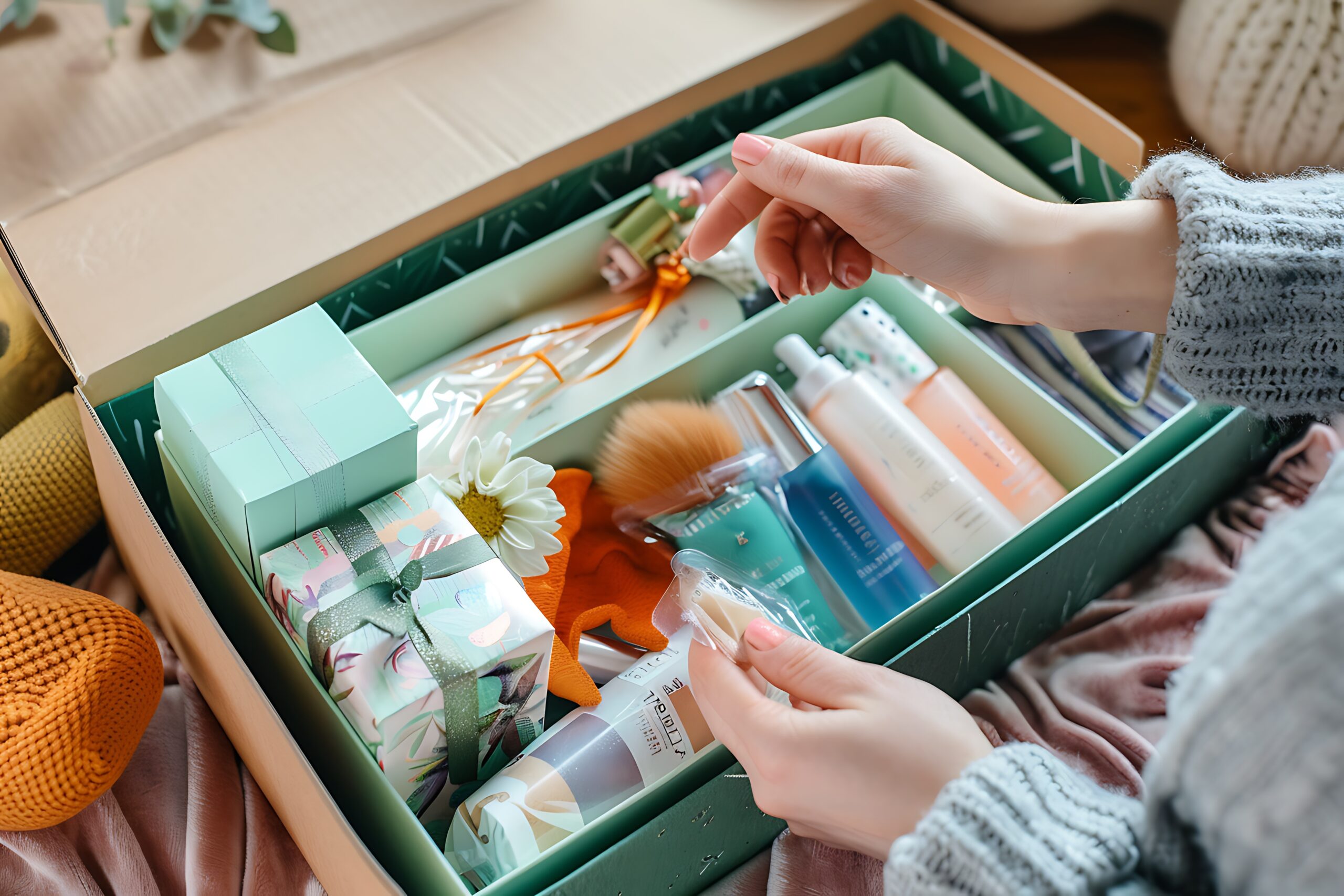
Unboxing has become a key phenomenon on social media, with 62% of shoppers stating that the unboxing experience influences their future purchasing decisions (Dotcom Distribution). The same survey indicates that 40% of consumers would be willing to make a repeat purchase if the unboxing experience was positive.
Well-designed packaging creates emotion and anticipation, turning the act of opening a product into a special moment. This trend has encouraged brands to invest in attractive and customisable packaging. By transforming it into a visual and emotional experience, brands can strengthen customer loyalty and encourage digital word-of-mouth, particularly among younger consumers.
In fact, unboxing videos have gained significant popularity on platforms such as YouTube, Instagram and TikTok, becoming an effective marketing channel that generates organic visibility for brands.
Minimalist design: Simple and functional Packaging
Brands are increasingly opting for minimalist, functional designs that facilitate recycling and reduce the use of unnecessary materials. This approach not only helps reduce production costs but also responds to consumer preference for simple packaging that is easy to dispose of or reuse.
Companies such as Apple have led this trend, designing with clean lines and high-quality materials, where each element serves a clear function. This type of packaging achieves a balance between aesthetics and sustainability, while clearly communicating brand values.
In the future, more companies are likely to adopt compact packaging without excessive embellishments, protecting the product without compromising the environment.
Personalisation: A powerful differentiator
Another trend shaping the evolution of packaging in recent years is personalisation. Today’s consumers seek products that reflect their tastes and needs, and packaging is no exception. Brands are offering customisation options, from packaging design to the message included inside.
Personalisation in packaging is a growing strategy. According to a Deloitte study, 36% of consumers are willing to pay more for products with personalised packaging. This trend goes beyond adding a logo or corporate colour; it is about delivering packaging that resonates with consumers’ values and preferences, strengthening the emotional connection with the brand.
Through digital printing and advanced technology, companies can now adapt packaging designs and messages to specific audiences or even individual customers. Companies such as Coca-Cola and Nespresso have been pioneers in personalisation, and today ecommerce embraces this trend to offer packaging that tells a story and becomes part of the overall purchasing experience.
Technological innovation: New ways to connect with customers
A growing trend
This technology enables brands to differentiate themselves and create an interactive user experience, increasing engagement and improving customer satisfaction.
Customer retention: Packaging as a loyalty tool
Effective packaging not only helps attract customers but can also turn them into repeat buyers.
When packaging delivers a unique, functional experience aligned with brand values, consumers are more likely to remember the experience and associate positive feelings with the brand. This increases the likelihood that they will become advocates and share their experience on social media, with friends or family, and return for future purchases.
Sustainability and Circular Economy: A consumer requirement
Sustainability has become a priority, particularly in ecommerce packaging. According to McKinsey, 60% of consumers worldwide consider sustainability an important factor in their purchasing decisions. In addition, 73% would prefer less bulky packaging using recyclable or biodegradable materials. To reduce plastic use, companies are experimenting with technologies that enable reusable or returnable packaging, promoting a circular economy model.
A Trivium Packaging report shows that 67% of ecommerce shoppers are willing to pay more for products from brands that use sustainable packaging. This indicates a shift in consumer priorities and an opportunity for brands to strengthen their environmental commitment and reduce their carbon footprint.
The transformation of ecommerce packaging will continue to be driven by consumer expectations and technological innovation. Companies that adapt their packaging to these demands will stand out in an increasingly competitive market and build stronger partnerships with responsible packaging suppliers.