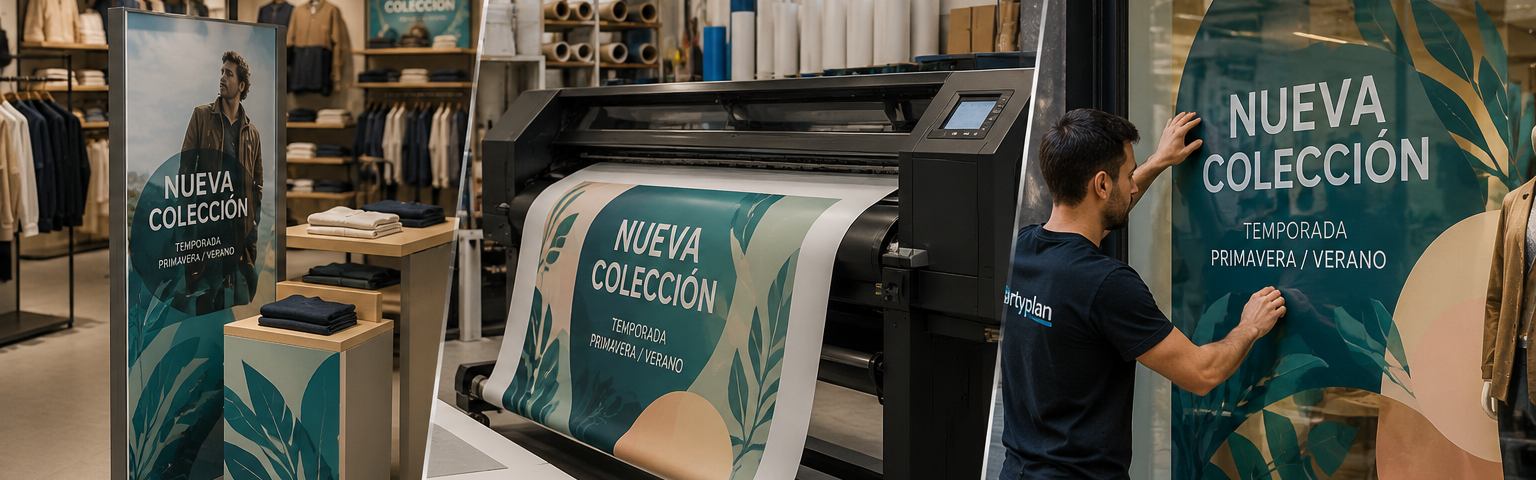

Point of Sale advertising (POS materials) is a key strategy for increasing product visibility and driving sales. Different types of in-store displays are essential elements of this approach, as their design, material and placement can significantly influence consumer purchasing behaviour.
Below, we explore the most common types of displays used in retail environments and the materials typically used in their production.
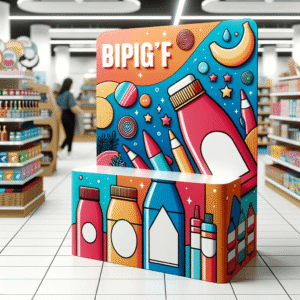
- Floor stand displays: These are large displays designed to hold a high volume of products. They are usually placed in high-traffic areas, making them ideal for attracting attention from a distance.
- Countertop displays: Smaller displays placed on tables or counters, often used as promotional displays. They are ideal for impulse purchase products.
- Shelf displays (linear displays): These displays are integrated into shelving systems and are commonly used for smaller products.
- Displays: Designed to highlight a specific product, often positioned near checkout areas.
- Totems: Vertical and freestanding structures, useful for signage or special promotions.
Materials used
The design and production of advertising displays go far beyond aesthetics; the materials used play a key role in determining both durability and functionality. In a market where every detail matters, selecting the right material can make a significant difference in how a product is presented and how consumers respond. Each material offers different advantages depending on the type of product or retail environment.
- Cardboard: Suitable for temporary displays due to its low cost.
- Metal: Offers durability and is ideal for heavier products.
- Plastic: Commonly used for countertop displays and promotional displays.
Advantages of POS displays
Displays not only help organise products in an attractive way, but they also function as an effective marketing tool.
- Impulse purchases: POS displays are designed to attract attention and encourage spontaneous buying.
- Brand visibility: These elements improve product visibility and help consumers recognise the brand.
- Customisation: Displays can be designed to fit your business marketing strategy and differentiate your products from competitors.
- Brand reinforcement: They contribute to strengthening brand identity in the consumer’s mind.
Application Sectors
Point of Sale (POS materials) displays are highly versatile marketing tools used across a wide range of industries and commercial sectors. Their flexible design and functionality make them suitable for many different applications.
- Education and culture: Books and educational materials.
- Food and grocery: Packaged products and supermarket promotions.
- Pharmaceutical sector: Over-the-counter medications.
- Events: Promotional and informational materials, often used as flyer displays.
POS displays are much more than simple structures used to place products. They are strategic marketing tools that can transform how customers interact with your brand and products. Choosing the right display design is an important decision, as it can significantly influence sales performance, brand perception and the overall customer experience.