
Business cards are an essential tool for any company or business, as they provide a practical and effective way to introduce your brand and leave a strong impression on clients and potential contacts.
Die-cut business cards, in particular, can add an extra level of originality and personalisation to the card design. Instead of the typical rectangular format, die-cut cards can be cut into a variety of shapes, including rounded edges or customised shapes such as a company logo, a design element or even a specific product or service.
Types of die-cut business cards
There are different types of die-cut business cards, and the choice will largely depend on the design and the function you want the card to achieve. Some of the most common types include:
Edge die-cut
The edge of the card is cut into a specific shape, such as a curve, zigzag or other customised outline. This type of die-cut is commonly used to add a distinctive design detail to the card.
Shape die-cut
The entire card is cut into a specific shape, such as a circle, heart or star. This type of die-cut is ideal for more creative and original designs and can help your business stand out from competitors.
Letter die-cut
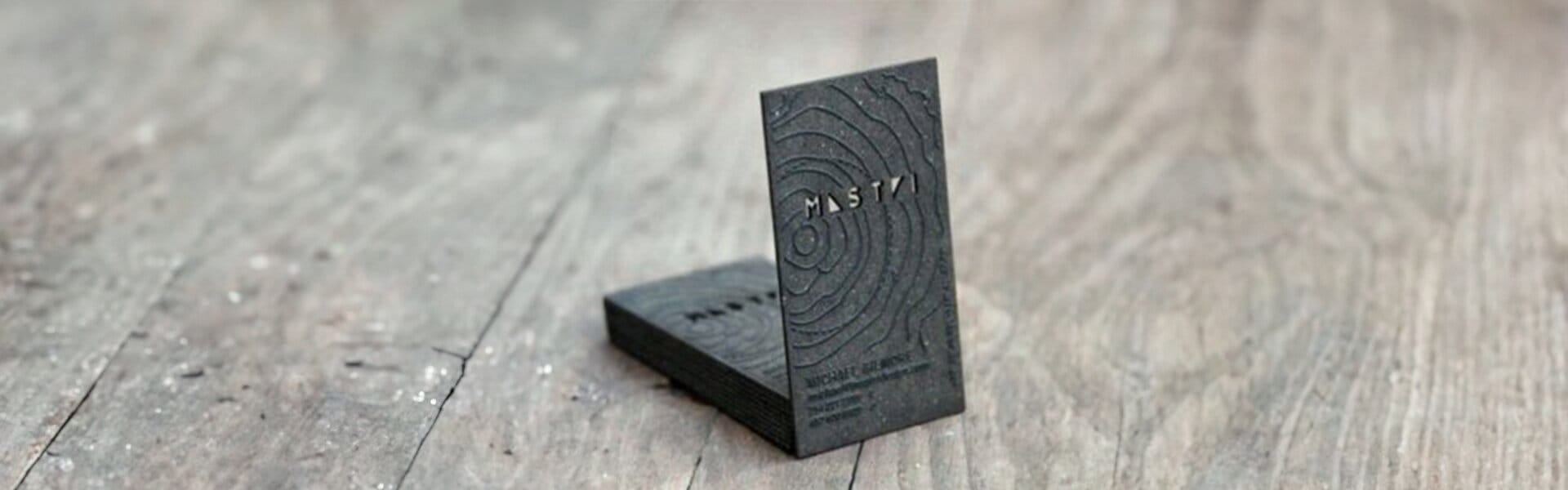
Letters or words are cut into a specific shape, often following the form of the letters in the company logo. This type of die-cut can be an effective way to highlight your brand and logo.
Materials for die-cut business cards
Some of the most common materials used for die-cut business cards include:
Cardboard
Cardboard is a classic material for business cards and a good option for die-cutting. It is strong and durable, which means the cards can maintain their shape and structure even after being cut.
Paper
Paper is a more economical option than cardboard, but it can still be effective for die-cut business cards. Paper stocks can vary in weight and finish. However, it is important to consider that paper may be less resistant than cardboard, meaning die-cut cards may be more prone to bending or tearing over time.
Finishes for customised cards
As with any business card, finishes can help the die-cut card stand out even more.
Lamination
Lamination is a finish that protects the card from moisture, wear and scratches. It can also add a subtle shine to the card.
Varnishing
Varnishing is applied to the card surface to provide additional texture and gloss. This finish can help emphasise specific design elements.
Hot stamping
Hot stamping is a process in which a metallic foil layer is applied to the card, creating a shiny metallic finish. It is often used to highlight the company logo or specific text.
Embossing
Embossing is a technique that raises specific areas of the card, creating a three-dimensional effect. It is often used to highlight key elements such as the company name or logo.
Tips for printing shaped business cards
If your business decides to print die-cut business cards, consider the following recommendations:
- Make sure the card design is suitable for die-cutting and does not include elements that could disappear or be damaged during the cutting process.
- Select high-quality materials to ensure the card remains durable and maintains a professional appearance.
- Work with a trusted print provider that has experience in producing die-cut business cards and can provide samples and advice on the printing process.
- Carefully review images, colours and print files before production to avoid errors that could affect the final quality.
In conclusion, die-cut business cards can be an effective way to differentiate your design and create a memorable impression on clients and potential contacts.