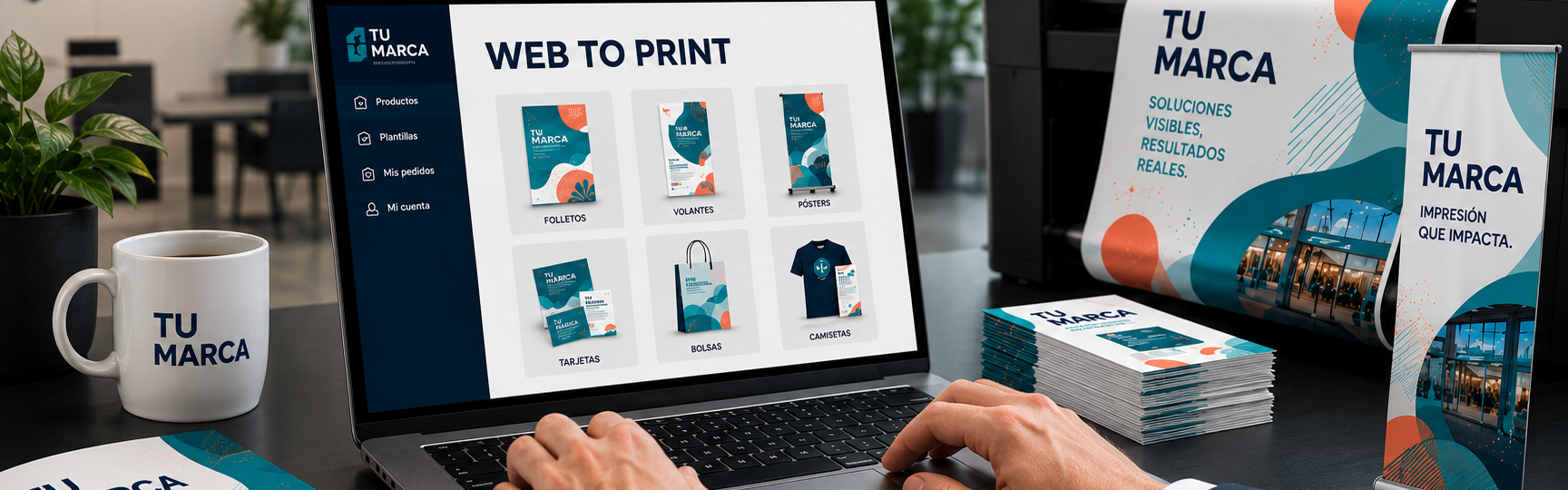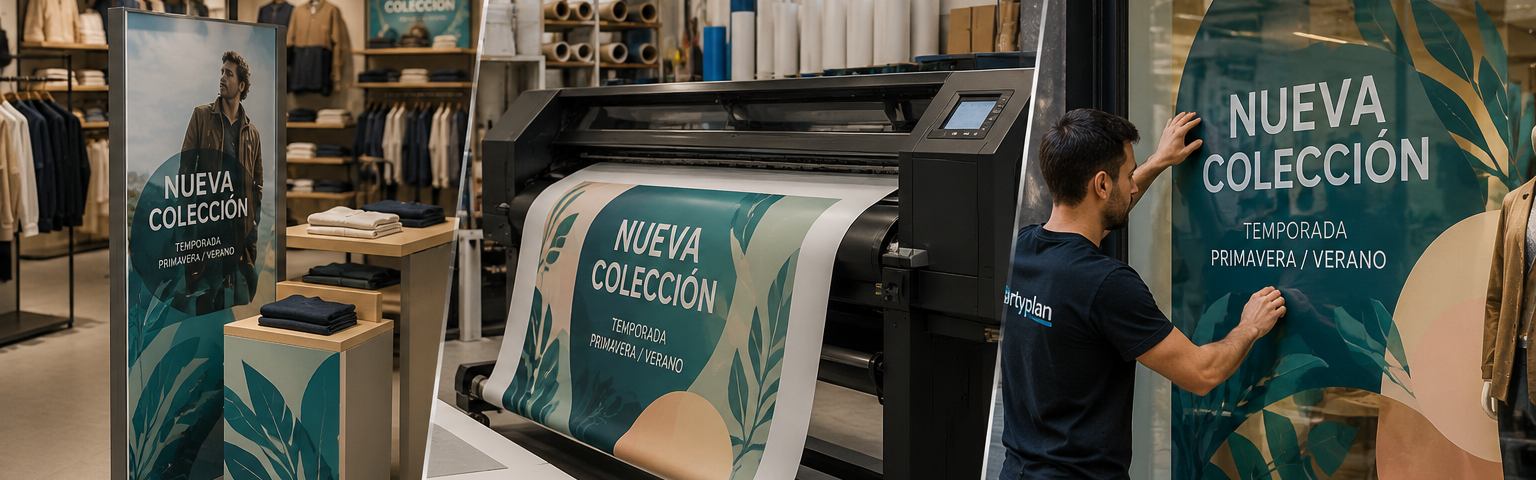
Large-format printing has transformed the way advertising is used in indoor spaces. Today, businesses have access to a powerful and eye-catching way to communicate messages to potential customers, capture attention and transform interior environments.
High-quality designs can now be printed on a wide range of materials, which has contributed to the growing popularity of large-format printing across different sectors.
In this article, we explore the advantages and the most widely used materials for large-format printing in interior applications, helping your business enhance marketing strategies in retail environments and other interior spaces.
Advantages of large-format printing for interiors
Enhance your messages and captivate your audience with large-format printing. Discover the key benefits and how this solution can strengthen your marketing strategy.
- Size and visibility
Large-format printing allows the creation of oversized visuals that immediately attract attention and remain visible from different points in the space, maximising the impact of advertising messages.
- Customisation and versatility
Large-format printed designs can be fully customised, allowing them to adapt to your business needs and brand identity. Printing can be applied to various materials such as self-adhesive vinyl, PVC banner, fabric or paper, depending on the environment and durability required.
- Durability and resistance
These materials are designed to withstand wear and tear, ensuring that your visual messages remain in good condition for extended periods.
- High quality and fast production
Thanks to technological advances, large-format printing guarantees excellent colour reproduction and detail quality. In addition, production can be completed in reduced timeframes, helping your business meet tight deadlines and marketing demands.
Most common materials for indoor applications
These are some of the most widely used materials for interior applications. Choosing the right material ensures both the aesthetic impact and functional performance of your visual communication.
- Self-adhesive vinyl
Self-adhesive vinyl is one of the most versatile materials used in large-format printing for indoor applications. With its smooth and glossy surface, it is ideal for decorative graphics, wall graphics and signage.
This material is easy to install and remove without leaving residue, making it an excellent option for temporary retail spaces or environments where frequent updates are required.
- Canvas
Printed canvas offers an elegant and sophisticated option for interior applications. This material provides a painting-like appearance and is often used for artistic prints and murals.
Its textured surface adds depth and realism to images, making it popular in galleries, exhibition spaces and interior environments where a distinctive visual impact is desired.
- Photo paper
High-quality photo paper is ideal for large-format printing in interior applications where exceptionally sharp and detailed image reproduction is required.It is commonly used in exhibitions, galleries and professional presentations. With its glossy finish, photo paper enhances colours and fine details, creating an impressive visual experience.
- Microperforated vinyl
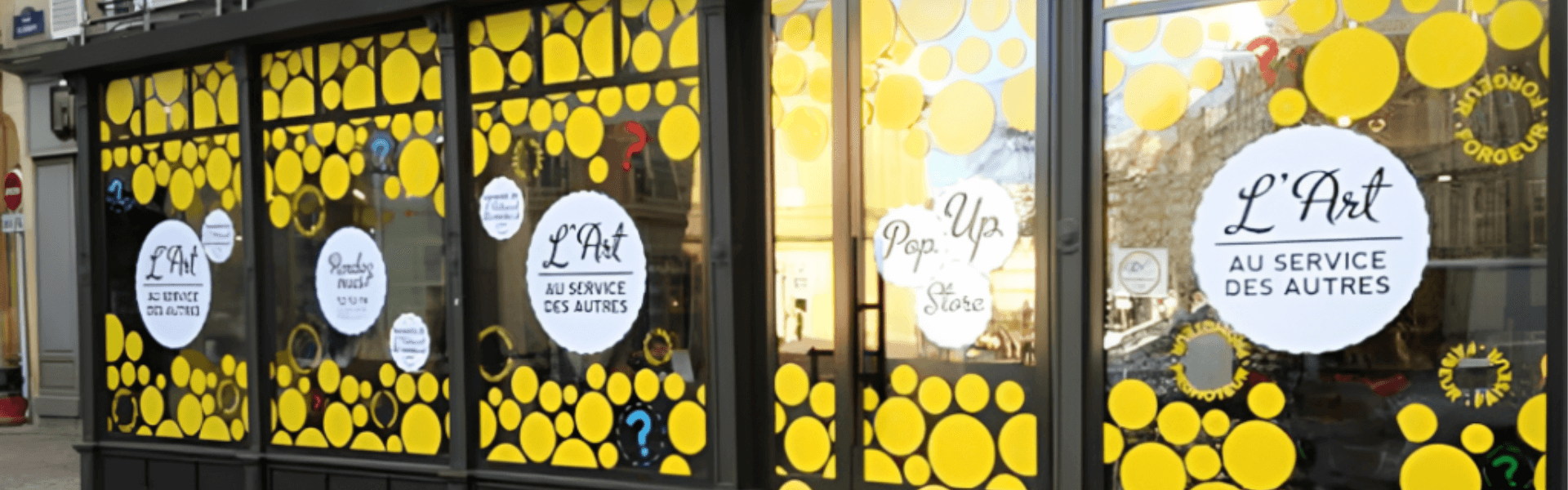
If your business needs a solution for windows and glass surfaces, microperforated vinyl is a suitable option. This material allows visibility from the inside while providing a surface for printed graphics or promotional designs visible from the outside.
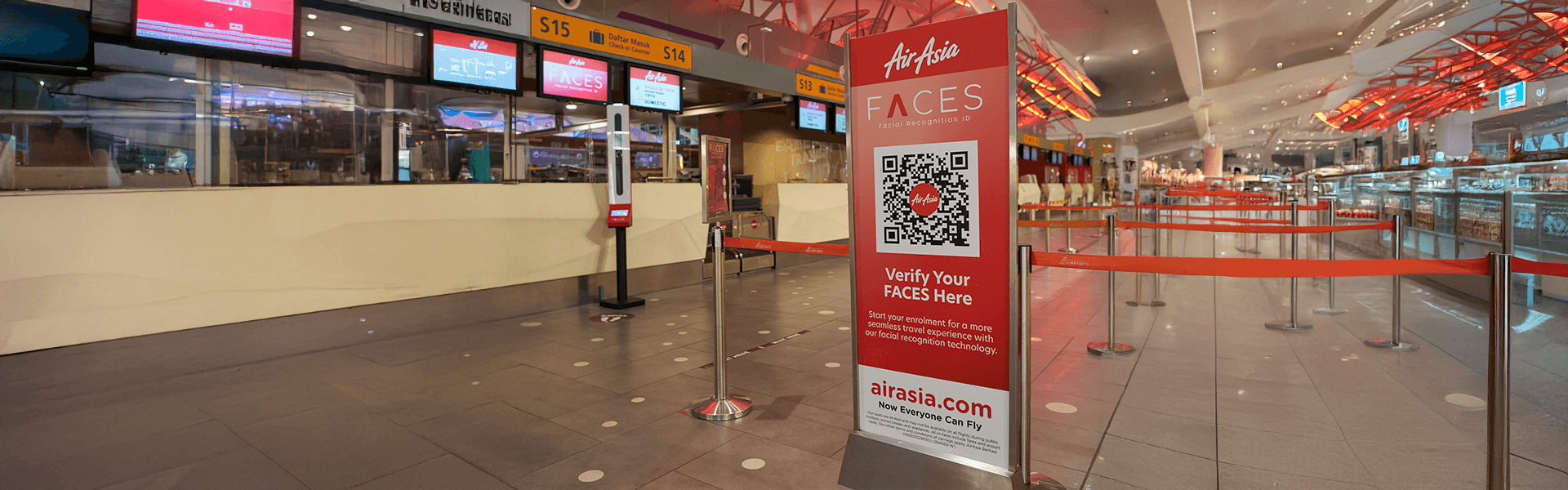
Large-format printing is widely used in interior environments such as retail stores and shopping centres, where large-format posters help create attractive and stimulating spaces. It is also commonly used in corporate events, exhibitions and trade shows, where large-format printed graphics help brands stand out and communicate their message effectively.