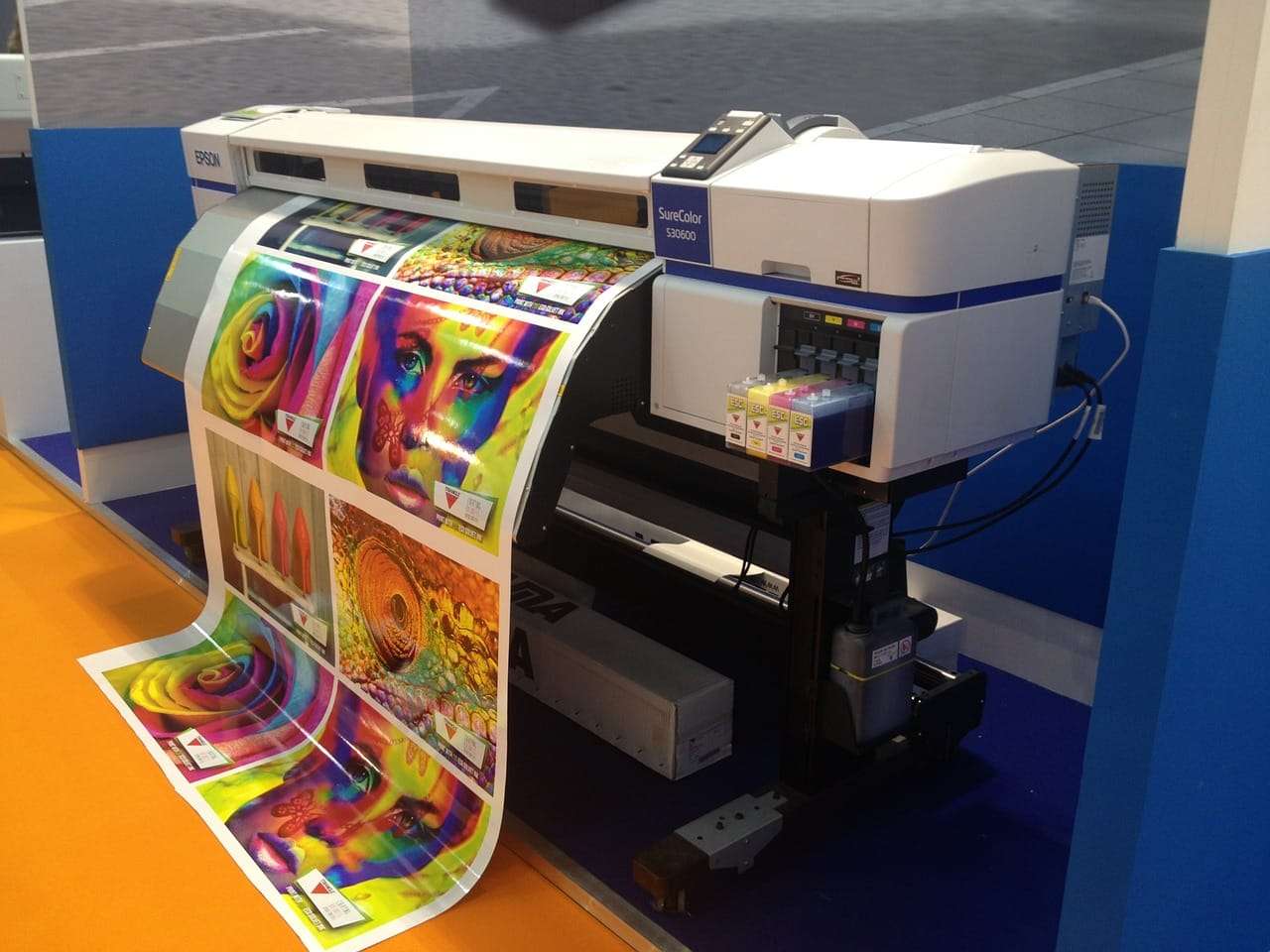
The print production industry is increasingly focused on using environmentally responsible materials. Eco-friendly inks in digital printing are one of the key developments supporting this shift.
Sustainable digital printing is a step in the right direction towards sustainability. It delivers high-quality results while helping reduce environmental impact.
Benefits of eco-friendly inks in digital printing
Conventional petroleum- or plastic-based inks contain chemical compounds that can be harmful to both people and the environment. Eco-friendly inks offer a cleaner alternative, using organic ingredients such as soy or vegetable oils. Below, we outline the main types:
Types of eco-friendly inks
– Soy-based ink. A strong alternative to petroleum-based inks. It delivers similar visual results without producing toxic effects.
– Vegetable-based ink. Another widely used eco-friendly option. It is produced using up to 80% renewable energy and helps reduce volatile organic compound (VOC) emissions. Additionally, it is easier to recycle, making it a biodegradable option.
– UV ink. Requires fewer solvents, as it is a 100% non-volatile liquid cured using UV energy. It can remain in the printer for long periods. Its main drawback is the higher cost of investment.
– Latex ink. Uses water-based thermal inkjet technology. It produces odourless prints with high durability and sharp image quality. These inks are non-flammable and non-combustible, meaning they do not require specialised ventilation or drying systems.
Advantages of eco-friendly inks
These non-toxic inks are especially recommended for printing on paper, cardboard, posters, photographs, artistic materials and indoor signage. Key advantages include:
– In many cases, they provide higher quality and durability than traditional inks.
– They offer a wider colour range.
– They facilitate recycling depending on the application.
– They produce little to no odour.
– They consume less energy, as they do not require specialised ventilation and are safer for operators.
– Some types offer greater weather resistance.
– In certain cases, they are more cost-effective than traditional inks.
– They are compatible with most materials.
– They provide excellent adhesion.
– They are non-flammable and non-combustible.
In summary, eco-friendly inks have been used in digital printing since the early 2000s as part of growing environmental awareness. As shown, they offer strong performance and are a competitive alternative for many applications.